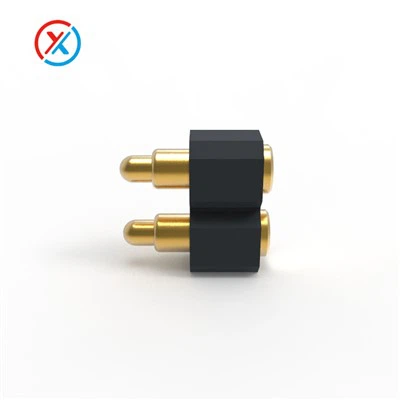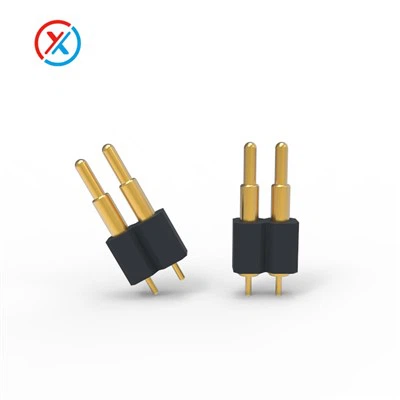
As a supplier of pogo pin pads, ensuring the reliability of these products is of utmost importance. Pogo pin pads are widely used in various electronic devices, from smartphones to industrial equipment, and their reliability directly impacts the performance and functionality of the end products. In this blog, I will share some key strategies and practices that we implement to ensure the reliability of our pogo pin pads.
Material Selection
The first step in ensuring the reliability of pogo pin pads is selecting the right materials. The pins themselves are typically made of high - quality metals such as beryllium copper or phosphor bronze. Beryllium copper offers excellent electrical conductivity, high strength, and good corrosion resistance. Phosphor bronze, on the other hand, is known for its durability and spring properties.
The plating on the pins also plays a crucial role. Gold plating is a popular choice as it provides low contact resistance, high corrosion resistance, and good solderability. The thickness of the gold plating is carefully controlled to ensure long - term performance. For the base material of the pad, we choose materials with high mechanical strength and good electrical insulation properties, such as FR - 4 or polyimide. These materials can withstand the mechanical stress and environmental conditions during the operation of the pogo pin pads.
Manufacturing Process
A well - controlled manufacturing process is essential for the reliability of pogo pin pads. We start with precision machining of the pins to ensure accurate dimensions and smooth surfaces. The pins are then assembled onto the pad using automated equipment to ensure consistent quality. During the assembly process, we pay close attention to the alignment of the pins and the soldering quality.
Soldering is a critical step in the manufacturing of pogo pin pads. We use advanced soldering techniques, such as reflow soldering, to ensure strong and reliable connections between the pins and the pad. The soldering temperature and time are carefully monitored to prevent over - soldering or under - soldering, which can lead to poor electrical contact or mechanical failure.
After the assembly, the pogo pin pads undergo a series of quality control tests. These tests include electrical conductivity testing, mechanical stress testing, and environmental testing. Electrical conductivity testing ensures that the pins have low resistance and can transmit signals effectively. Mechanical stress testing, such as cyclic loading tests, simulates the real - world usage conditions to ensure that the pins can withstand repeated use without failure. Environmental testing, including temperature and humidity testing, verifies that the pogo pin pads can operate reliably in different environmental conditions.
Design Considerations
The design of the pogo pin pads also affects their reliability. We consider factors such as the pin pitch, pin height, and contact force during the design process. The pin pitch should be optimized to ensure proper spacing between the pins and to prevent short - circuits. The pin height is designed to ensure a stable contact with the mating surface.


The contact force of the pins is another important design parameter. A proper contact force is required to ensure good electrical contact and to prevent the pins from bouncing or losing contact during operation. We use finite element analysis (FEA) and other simulation tools to optimize the design of the pins and the pad to achieve the desired contact force and performance.
Quality Management System
To ensure the reliability of our pogo pin pads, we have established a comprehensive quality management system. This system includes strict incoming material inspection, in - process quality control, and final product testing. We also implement a traceability system to track the production history of each pogo pin pad, which allows us to quickly identify and address any quality issues.
Our quality management system is based on international standards such as ISO 9001. We regularly review and improve our quality management processes to ensure continuous improvement in the reliability of our products.
Environmental Adaptability
Pogo pin pads are often used in different environmental conditions, such as high - temperature, high - humidity, and dusty environments. To ensure their reliability in these conditions, we take several measures.
For high - temperature environments, we select materials with high - temperature resistance and design the pogo pin pads to dissipate heat effectively. We also conduct high - temperature testing to ensure that the pins and the pad can maintain their performance at elevated temperatures.
In high - humidity environments, we use materials with good moisture resistance and apply protective coatings to prevent corrosion. We also perform humidity testing to verify the performance of the pogo pin pads under high - humidity conditions.
For dusty environments, we design the pogo pin pads with dust - proof structures to prevent dust from entering the contact area. We also conduct dust - resistance testing to ensure that the pins can maintain good electrical contact even in dusty conditions.
Compatibility with Mating Components
The reliability of pogo pin pads also depends on their compatibility with the mating components. We work closely with our customers to understand their requirements and ensure that our pogo pin pads are compatible with their specific applications.
We provide detailed technical specifications and guidelines to our customers to help them select the right pogo pin pads for their products. We also offer customization services to meet the unique requirements of different customers.
Conclusion
Ensuring the reliability of pogo pin pads is a multi - faceted process that involves material selection, manufacturing process control, design optimization, quality management, environmental adaptability, and compatibility with mating components. As a pogo pin pad supplier, we are committed to providing high - quality and reliable products to our customers.
If you are interested in our pogo pin pads or have any questions about their reliability, please feel free to contact us for further discussion and potential procurement. We look forward to working with you to meet your specific needs.
References
- "Electrical Contact Materials and Their Applications" by John Doe
- "Manufacturing Processes for Electronic Components" by Jane Smith
- "Reliability Engineering and Management" by Tom Brown
For more information about pogo pin technology, you can visit the following links: