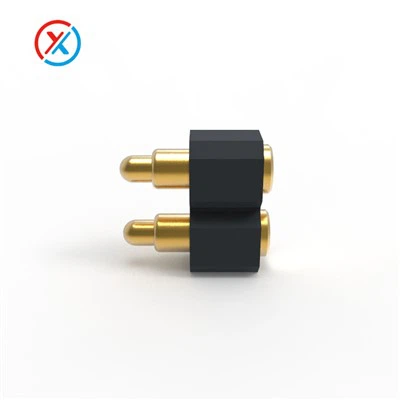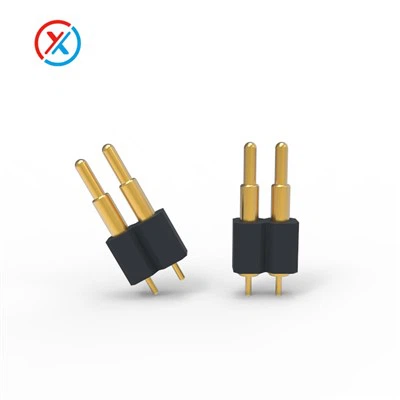
As a supplier of Pogo PCB, I understand the significance of adhering to specific environmental requirements for this product. These requirements not only ensure the product's proper functioning but also contribute to environmental protection and user safety. In this blog, I will delve into the environmental requirements for a Pogo PCB and explain why they are crucial.
1. Temperature and Humidity
Pogo PCBs typically need to operate within a certain temperature and humidity range. Extreme temperatures can affect the physical and electrical properties of the materials used in the PCB. For example, high temperatures can cause the expansion of materials, which may lead to the loosening of connections, such as the Pogo pins on the PCB. On the other hand, low temperatures can make the materials more brittle, increasing the risk of fractures.


The ideal temperature range for many Pogo PCBs is between -20°C and 70°C. This range allows the components to function stably without significant thermal-induced stress. As for humidity, a relative humidity level of 10% - 90% (non - condensing) is often considered acceptable. Condensation can cause short - circuits on the PCB, leading to malfunctions or even permanent damage.
2. Chemical Resistance
Pogo PCBs may be exposed to various chemicals during their manufacturing, storage, and use. Therefore, they need to have good chemical resistance. For instance, in industrial environments, PCBs can come into contact with oils, solvents, and cleaning agents. These chemicals can corrode the PCB's copper traces, solder joints, and the outer coating of Pogo pins.
When selecting materials for Pogo PCBs, suppliers should choose substances that are resistant to common chemicals. For example, the laminate material should be able to withstand the attack of mild solvents. The Pogo pins, which are often made of metals like stainless steel or brass, may be coated with a layer of corrosion - resistant material such as nickel or gold. For more information on high - quality Pogo pins, you can visit Pin Pogo.
3. Dust and Particle Contamination
Dust and particles can accumulate on Pogo PCBs, especially in environments with poor air quality. These contaminants can cause several problems. Firstly, they can block the movement of Pogo pins, preventing them from making proper electrical contact. Secondly, dust can act as a heat insulator, causing the PCB to overheat.
To prevent dust and particle contamination, Pogo PCBs may need to be housed in enclosures with adequate air filters. In cleanroom environments, strict air - quality control measures are implemented to ensure that the concentration of dust particles is maintained at a very low level.
4. Mechanical Vibration and Shock
In some applications, such as automotive or aerospace, Pogo PCBs may be subjected to mechanical vibration and shock. These mechanical forces can cause the Pogo pins to break or become loose from their sockets, leading to intermittent electrical connections.
To ensure the reliability of Pogo PCBs under such conditions, proper mechanical design and packaging are essential. For example, using shock - absorbing materials in the enclosure can help reduce the impact of vibrations and shocks. Additionally, the Pogo pins should be securely mounted on the PCB to withstand these mechanical forces.
5. Electrical Noise and EMI/EMC Compliance
Pogo PCBs need to operate in an environment where electrical noise is minimized. Electrical noise can interfere with the normal operation of the PCB, causing errors in data transmission or incorrect functioning of electronic components.
Moreover, Pogo PCBs must comply with electromagnetic interference (EMI) and electromagnetic compatibility (EMC) requirements. EMI can be generated by other electronic devices in the vicinity, and if not properly managed, it can disrupt the operation of the Pogo PCB. EMC ensures that the PCB can function properly in its intended electromagnetic environment without causing interference to other devices.
6. RoHS and REACH Compliance
In today's environmentally - conscious world, Pogo PCBs must comply with regulations such as the Restriction of Hazardous Substances (RoHS) and the Registration, Evaluation, Authorization, and Restriction of Chemicals (REACH).
RoHS restricts the use of hazardous substances such as lead, mercury, cadmium, hexavalent chromium, polybrominated biphenyls (PBBs), and polybrominated diphenyl ethers (PBDEs) in electrical and electronic equipment. Lead - free products are becoming more and more popular, and Lead - Free Pogo Pin is an example of a compliant component.
REACH aims to ensure a high level of protection of human health and the environment from the risks that can be posed by chemicals. By complying with these regulations, Pogo PCB suppliers can ensure that their products are safe for both the environment and end - users.
Why These Environmental Requirements Matter
Meeting these environmental requirements is not only a matter of regulatory compliance but also crucial for the performance and reliability of Pogo PCBs. A PCB that operates outside its specified environmental conditions is more likely to experience failures, which can lead to costly repairs or replacements.
In addition, environmentally - friendly products are more attractive to customers. As consumers become more aware of environmental issues, they are more likely to choose products that are manufactured and used in an environmentally responsible way.
Our Capabilities as a Pogo PCB Supplier
As a Pogo PCB supplier, we are committed to meeting and exceeding these environmental requirements. We have strict quality control systems in place to ensure that our Pogo Pins Pcb products are manufactured in accordance with the highest environmental standards.
We work closely with our material suppliers to source high - quality and environmentally - friendly materials. Our manufacturing processes are designed to minimize waste and reduce the use of hazardous chemicals. We also conduct extensive testing on our products to ensure that they can operate stably in various environmental conditions.
Contact Us for Your Pogo PCB Needs
If you are in the market for high - quality Pogo PCBs that meet strict environmental requirements, we would love to hear from you. Whether you need Pogo Contact Pins 1A Current or other specialized Pogo PCB products, we have the expertise and capacity to meet your needs.
Don't hesitate to reach out to us to discuss your specific requirements and start a partnership. We are dedicated to providing you with the best - quality products and excellent customer service.
References
- Smith, J. (2018). Environmental Considerations in PCB Design. Electronics Journal.
- Johnson, M. (2019). Impact of Temperature and Humidity on Electronic Components. Engineering Today.
- Environmental Regulations in the Electronics Industry. International Electronics Association Report.