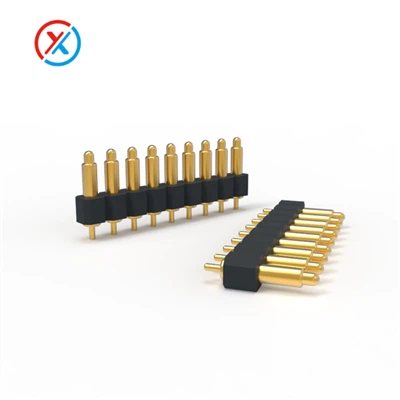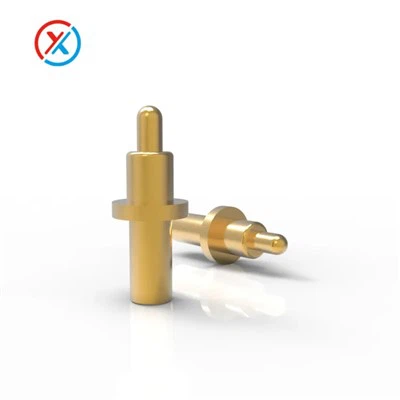
Selecting the appropriate plating for pogo pin contact pads is crucial for ensuring the performance, durability, and reliability of these essential electrical components. As a pogo pin contact pad supplier, I've seen firsthand how the right plating can make or break a product. In this blog, I'll share some insights on how to choose the best plating for your specific needs.
Understanding the Basics of Pogo Pin Contact Pads
Before we dive into plating options, let's quickly go over what pogo pin contact pads are. Pogo pins are spring-loaded connectors that are commonly used in electronic devices to establish electrical connections. They're known for their ability to provide a reliable and stable connection, even in challenging environments. Contact pads, on the other hand, are the surfaces where the pogo pins make contact. The plating of these contact pads plays a significant role in determining the overall performance of the connection.
Factors to Consider When Selecting Plating
There are several factors to consider when choosing the appropriate plating for pogo pin contact pads. Here are some of the most important ones:
Electrical Conductivity
One of the primary functions of pogo pin contact pads is to conduct electricity. Therefore, it's essential to choose a plating material that has high electrical conductivity. Materials like gold and silver are excellent conductors and are commonly used in high-performance applications. For instance, in many Spring Loaded Electrical Contacts, gold plating is preferred due to its superior conductivity and resistance to oxidation.
Corrosion Resistance
Pogo pins and their contact pads are often exposed to various environmental conditions, including moisture, chemicals, and temperature changes. These factors can cause corrosion, which can degrade the performance of the electrical connection over time. To prevent this, it's important to select a plating material that is resistant to corrosion. Nickel and tin are popular choices for their corrosion resistance, especially in less demanding applications.
Wear Resistance
Since pogo pins make repeated contact with the contact pads, wear can be a significant issue. The plating material should be able to withstand the mechanical stress and abrasion associated with repeated use. Hard gold plating, for example, is known for its excellent wear resistance and is often used in applications where the pogo pins are subject to a high number of mating cycles.
Cost
Cost is always a consideration in any manufacturing process. The cost of plating materials can vary significantly, depending on the material and the thickness of the plating. While gold provides excellent performance, it is also one of the most expensive options. On the other hand, tin is a more cost-effective alternative, but it may not offer the same level of performance as gold in some applications. When selecting a plating material, it's important to balance the desired performance with the cost.
Common Plating Materials for Pogo Pin Contact Pads
Now that we've discussed the factors to consider, let's take a look at some of the most common plating materials used for pogo pin contact pads:
Gold Plating
Gold is one of the most popular plating materials for pogo pin contact pads, and for good reason. It has excellent electrical conductivity, corrosion resistance, and wear resistance. Gold also doesn't form an oxide layer, which means it maintains a low contact resistance over time. However, as mentioned earlier, gold is relatively expensive, so it's often used in applications where high performance is critical, such as in aerospace, military, and medical devices. If you're looking for a high-quality Connector Pogo Pin, gold plating is a top choice.
Silver Plating
Silver is another excellent conductor, and it's often used as a plating material for pogo pin contact pads when cost is a concern. It has a lower price point than gold, but it still offers good electrical conductivity. However, silver is more prone to oxidation than gold, which can cause an increase in contact resistance over time. To mitigate this issue, silver-plated contact pads are often coated with a protective layer to prevent oxidation.


Nickel Plating
Nickel is a popular choice for its corrosion resistance and hardness. It provides a good barrier against environmental factors, such as moisture and chemicals. Nickel plating is also relatively inexpensive, making it a cost-effective option for many applications. However, nickel has lower electrical conductivity compared to gold and silver, so it may not be suitable for high-performance applications.
Tin Plating
Tin is one of the most cost-effective plating materials for pogo pin contact pads. It has fair electrical conductivity and good solderability, which makes it a common choice for applications where soldering is required. Tin is also relatively soft, which can help to reduce wear on the pogo pins. However, tin is more prone to whisker growth, which can cause short circuits in electronic devices. To address this issue, special treatments can be applied to the tin plating to prevent whisker growth.
Application-Specific Considerations
The choice of plating for pogo pin contact pads also depends on the specific application. Here are some examples:
Consumer Electronics
In consumer electronics, such as smartphones and tablets, cost is often a major consideration. Tin or nickel plating may be sufficient for these applications, as long as the performance requirements are not too high. However, for high-end devices or applications that require a high level of reliability, gold plating may be preferred. For example, in a 2 Pogo Pin Connector used in a premium smartphone, gold plating can ensure a stable and long-lasting connection.
Automotive Electronics
Automotive electronics are exposed to harsh environments, including high temperatures, moisture, and vibrations. Therefore, corrosion resistance and wear resistance are essential. Gold or hard gold plating is often used in automotive applications to ensure the reliability of the electrical connections. Additionally, the plating should be able to withstand the high number of mating cycles associated with automotive use.
Industrial Applications
Industrial applications often require pogo pin contact pads that can withstand extreme conditions, such as high temperatures, high pressures, and exposure to chemicals. In these cases, a combination of plating materials may be used to achieve the desired performance. For example, a base layer of nickel may be applied for corrosion resistance, followed by a layer of gold for electrical conductivity and wear resistance.
Conclusion
Selecting the appropriate plating for pogo pin contact pads is a complex process that requires careful consideration of several factors, including electrical conductivity, corrosion resistance, wear resistance, and cost. By understanding the specific requirements of your application and the properties of different plating materials, you can make an informed decision that will ensure the performance and reliability of your pogo pin connectors.
If you're in the market for pogo pin contact pads or need more information on plating options, I'd be happy to help. Our team of experts has extensive experience in providing high-quality pogo pin solutions, and we can work with you to select the best plating for your specific needs. Contact us today to start a discussion about your project and how we can assist you in achieving the best results. Whether you're looking for a 2-pin pogo connector or a more complex Spring Loaded Power Connector, we're here to support you.
References
- "Electroplating for Electronic Components" - A technical guide on electroplating processes and materials used in electronics.
- "Contact Materials and Their Properties" - A research paper discussing the electrical and mechanical properties of different contact materials.
- "Reliability of Electrical Connectors in Harsh Environments" - A study on the performance and durability of electrical connectors in various challenging conditions.