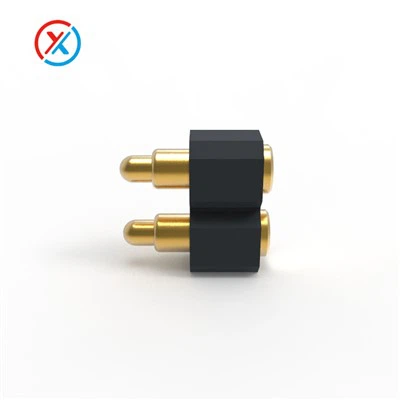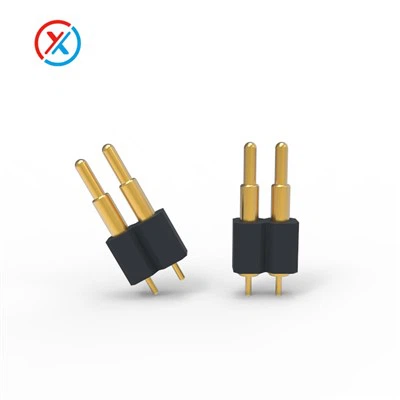
Hey there! As an electrical pogo pins supplier, I know how crucial it is to test the performance of these little guys. Pogo pins are used in a wide range of applications, from consumer electronics to automotive and aerospace industries. So, getting their performance right is super important. In this blog, I'll share with you how to test the performance of electrical pogo pins.
Understanding Pogo Pins
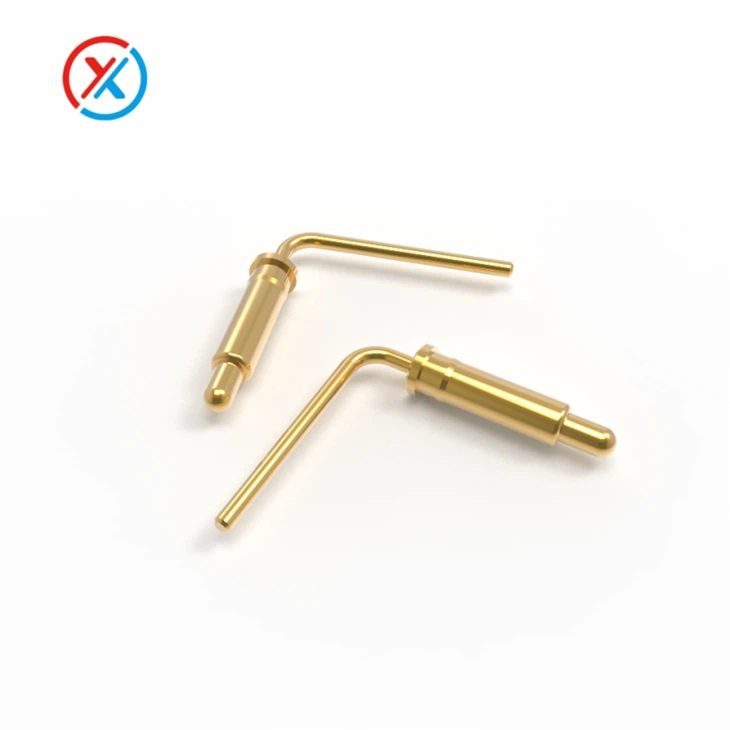
Before we dive into the testing process, let's quickly go over what pogo pins are. Pogo pins are spring-loaded pins that are used to make electrical connections. They're often used in test fixtures, battery contacts, and other applications where a reliable electrical connection is needed. There are different types of pogo pins, like Female Pogo Pin and Spring Loaded Pogo Pins.
Why Testing is Important
Testing the performance of pogo pins is essential for several reasons. First of all, it ensures that the pins meet the required specifications. If a pogo pin doesn't perform as expected, it can lead to electrical failures, which can be a huge problem in many applications. Secondly, testing helps to identify any potential issues early on, which can save time and money in the long run.
Testing Parameters
There are several parameters that you need to test when evaluating the performance of pogo pins. Let's take a look at some of the most important ones.
Contact Resistance
Contact resistance is one of the most critical parameters to test. It measures the resistance between the pogo pin and the contact surface. A high contact resistance can lead to power loss and overheating. To test contact resistance, you can use a multimeter. Simply connect the multimeter to the pogo pin and the contact surface, and measure the resistance. The lower the contact resistance, the better the performance of the pogo pin.
Insertion and Extraction Force
The insertion and extraction force of a pogo pin are also important. The insertion force is the force required to insert the pin into the contact surface, while the extraction force is the force required to remove it. These forces should be within a certain range. If the insertion force is too high, it can damage the pin or the contact surface. On the other hand, if the extraction force is too low, the pin may not make a reliable connection. You can use a force gauge to measure the insertion and extraction forces.

Spring Force
The spring force of a pogo pin is what allows it to make a good electrical connection. It's important to test the spring force to ensure that it's within the specified range. A weak spring force may result in a poor connection, while a strong spring force can cause damage to the pin or the contact surface. You can use a spring force tester to measure the spring force.
Durability
Pogo pins need to be durable enough to withstand multiple insertions and extractions. To test the durability of a pogo pin, you can perform a cycling test. This involves inserting and extracting the pin a certain number of times and then checking for any signs of wear or damage. You can also test the pin's ability to withstand environmental factors, such as temperature and humidity.
Testing Equipment
To test the performance of pogo pins, you'll need some specialized equipment. Here are some of the tools you might need:
- Multimeter: This is used to measure contact resistance.
- Force Gauge: For measuring insertion and extraction forces.
- Spring Force Tester: To measure the spring force of the pogo pin.
- Cycling Tester: For performing durability tests.
Testing Process
Now that we know what to test and what equipment we need, let's go through the testing process step by step.
- Prepare the Pogo Pin and the Test Fixture: Make sure the pogo pin is clean and free of any debris. Set up the test fixture according to the manufacturer's instructions.
- Measure the Contact Resistance: Connect the multimeter to the pogo pin and the contact surface, and measure the resistance. Record the results.
- Measure the Insertion and Extraction Forces: Use the force gauge to measure the insertion and extraction forces. Make sure to apply the force slowly and steadily. Record the results.
- Measure the Spring Force: Use the spring force tester to measure the spring force of the pogo pin. Record the results.
- Perform the Durability Test: Use the cycling tester to perform the durability test. Insert and extract the pin a certain number of times, and then check for any signs of wear or damage.
- Analyze the Results: Compare the test results with the specified requirements. If the results are within the acceptable range, the pogo pin passes the test. If not, you may need to investigate further to find out what's causing the problem.
Quality Control
As a pogo pin supplier, quality control is of utmost importance. We make sure to test every single pogo pin before it leaves our factory. This helps us to ensure that our customers get high-quality products that meet their needs. We also have a strict quality control system in place to monitor the production process and identify any potential issues early on.
Buying Pogo Pins
If you're in the market for Buy Pogo Pins, it's important to choose a reliable supplier. Look for a supplier that has a good reputation and offers high-quality products. Make sure to ask for samples and test them before making a purchase.
Conclusion
Testing the performance of electrical pogo pins is crucial to ensure their reliability and functionality. By following the steps outlined in this blog, you can effectively test the contact resistance, insertion and extraction forces, spring force, and durability of pogo pins. As a pogo pin supplier, we're committed to providing high-quality products and ensuring that our customers are satisfied. If you have any questions or need further information about our pogo pins, don't hesitate to contact us for a purchase negotiation. We're here to help you find the best pogo pins for your needs.
References
- Some textbooks on electrical connectors and components.
- Industry standards and guidelines for pogo pin testing.