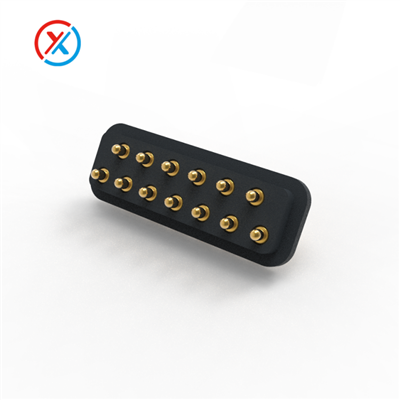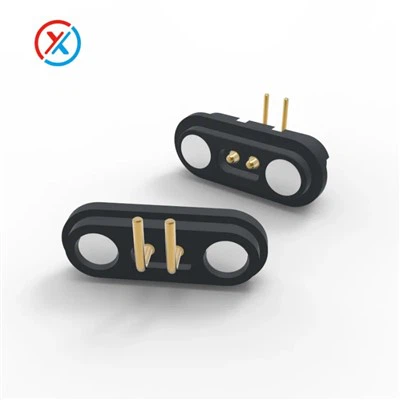
Hey there! As a supplier of pogo pin contact pads, I've seen my fair share of issues with these little guys. Pogo pins are super useful in all sorts of electronic devices, but they can sometimes run into problems. Let's take a look at some of the common failures of pogo pin contact pads.
1. Oxidation and Corrosion
One of the most frequent problems we encounter is oxidation and corrosion. Pogo pin contact pads are often made of metals like copper, which are prone to oxidation when exposed to air and moisture. Over time, this oxidation forms a layer on the surface of the contact pads, increasing the electrical resistance.
When the resistance goes up, it can lead to poor electrical conductivity. You might notice that your device starts to experience intermittent connections or reduced performance. For example, in a smartphone charging dock using pogo pins, oxidation could cause slow charging or even prevent the device from charging at all.
To combat this, we use special coatings on our pogo pin contact pads. These coatings act as a barrier between the metal and the environment, reducing the chances of oxidation. We also recommend keeping the devices in a dry environment to minimize the exposure to moisture.
2. Wear and Tear
Another common failure is wear and tear. Pogo pins are designed to make repeated connections, and with each connection and disconnection, there's friction between the pin and the contact pad. This friction can cause the surface of the contact pad to wear down over time.
When the contact pad wears, the shape of the surface changes, and it might not make a proper connection with the pogo pin anymore. This can result in loose connections, which can lead to signal loss or power interruptions. In applications like test fixtures, where pogo pins are used for frequent testing, wear and tear can be a significant issue.
To address this, we use high - quality materials for our pogo pin contact pads. We also optimize the design of the contact pads to reduce the friction during the connection process. For instance, we can use a smoother surface finish or a different shape that distributes the stress more evenly.
3. Misalignment
Misalignment is a big problem that can cause pogo pin contact pad failures. If the pogo pin and the contact pad are not properly aligned, the pin might not make full contact with the pad. This can happen due to manufacturing tolerances, improper installation, or mechanical stress on the device.
When there's misalignment, the electrical connection is incomplete, which can lead to poor performance. In some cases, it might even cause damage to the pogo pin or the contact pad. For example, if the pin is forced into an incorrectly aligned contact pad, it could bend or break.
To prevent misalignment, we have strict quality control measures during the manufacturing process. We also provide detailed installation instructions to ensure that the pogo pins and contact pads are installed correctly. Additionally, we can design the contact pads with alignment features, such as guide holes or grooves, to help with proper positioning.
4. Contamination
Contamination is another factor that can lead to pogo pin contact pad failures. Dust, dirt, and other particles can accumulate on the surface of the contact pads, creating a barrier between the pin and the pad. This can increase the resistance and disrupt the electrical connection.
In industrial environments, where there's a lot of dust and debris, contamination can be a major issue. Even in consumer devices, if they're used in dirty or dusty places, the contact pads can get contaminated. For example, in a gaming controller with pogo pin connections, dust can get into the contact areas and cause problems with button responsiveness.
To deal with contamination, we recommend regular cleaning of the contact pads. We also offer contact pads with self - cleaning features. For example, some of our designs have a wiping action when the pogo pin makes contact, which helps to remove any contaminants on the surface.
5. Overloading
Overloading is a problem that can occur when the pogo pin contact pads are subjected to more current or voltage than they're designed to handle. This can happen if the device is used in a way that exceeds its specifications or if there's a short - circuit in the system.
When the contact pads are overloaded, they can overheat, which can damage the metal and the coating. Overheating can also cause the contact pad to expand and deform, leading to poor connections. In extreme cases, it can even cause a fire or other safety hazards.
To prevent overloading, we provide clear specifications for our pogo pin contact pads, including the maximum current and voltage ratings. We also design our products to have a certain level of over - current protection. For example, we can use fuses or other protective components in the design.
Our Solutions and Products
At our company, we're constantly working to improve the quality and reliability of our pogo pin contact pads. We offer a wide range of products, including High Current Pogo Pin Connector, Pogo Pin Contact Pad, and Pogo Pin Pad.


Our products are designed to meet the highest standards of performance and durability. We use advanced manufacturing techniques and high - quality materials to ensure that our pogo pin contact pads can withstand the rigors of real - world use.
Let's Connect
If you're in the market for pogo pin contact pads or have any questions about our products, we'd love to hear from you. Whether you're an electronics manufacturer, a product designer, or just someone looking for a reliable pogo pin solution, we can provide the support and products you need.
Don't hesitate to reach out to us for more information or to discuss your specific requirements. We're here to help you find the perfect pogo pin contact pads for your application.
References
- "Handbook of Electrical Contacts" by E. M. Shneider
- "Electrical Connector Handbook" by Ronald L. Johnson