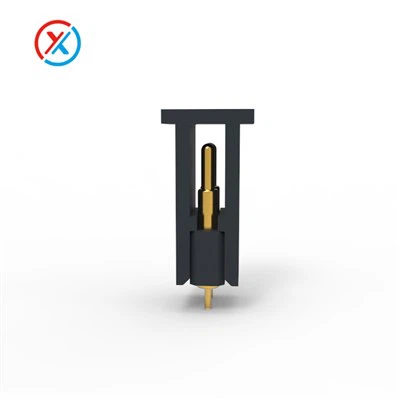
Hey there, fellow electronics enthusiasts! I'm a supplier of 4 pin magnetic connectors, and today I'm super stoked to chat about how these nifty little components interact with other electronic parts.
Let's start with the basics. A 4 pin magnetic connector is a type of connector that uses magnetic force to join two parts together. It's got four pins, which are used to transmit electrical signals or power. These connectors are pretty popular because they're easy to connect and disconnect, and they provide a reliable connection.
One of the most common ways 4 pin magnetic connectors interact with other components is through power transfer. For example, in a battery charging system, the 4 pin magnetic connector can be used to connect the charger to the device. The pins in the connector are designed to carry the appropriate voltage and current to charge the battery safely.
Let's say you've got a smartphone charger. The charger has a 4 pin magnetic connector on the end that plugs into the phone. The magnetic force ensures that the connection is secure, so you don't have to worry about the charger coming loose. And because of the 4 pins, the charger can deliver the right amount of power to the phone's battery.
Another important interaction is signal transmission. In many electronic devices, data needs to be transferred between different components. A 4 pin magnetic connector can be used to facilitate this. For instance, in a smartwatch, the connector can be used to transfer data from the watch to a charging dock or a computer. The pins in the connector can carry digital signals, allowing for the seamless transfer of information like health data, notifications, and more.
Now, let's talk about how 4 pin magnetic connectors work with other types of connectors. Sometimes, you might need to connect a device with a 4 pin magnetic connector to another device that has a different type of connector. In these cases, you can use an adapter.
For example, if you have a device with a 4 pin magnetic connector and you want to connect it to a device with a standard USB connector, you can use a magnetic-to-USB adapter. This adapter allows the two devices to communicate effectively, bridging the gap between different connector types.
When it comes to compatibility, 4 pin magnetic connectors are designed to work with a wide range of electronic components. However, it's important to make sure that the voltage, current, and signal requirements of the components match. If you try to connect a 4 pin magnetic connector to a component that can't handle the power or signal levels, you could damage the component or the connector itself.
Let's take a look at some specific types of 4 pin magnetic connectors and how they interact with other components.
First up, the Magnetic Pogo Pin Connector. These connectors use pogo pins, which are spring-loaded pins that provide a reliable electrical connection. The magnetic force in these connectors helps to keep the pogo pins in contact with the mating surface. They're often used in applications where a high degree of accuracy and reliability is required, such as in test fixtures and medical devices.
The 4 Pin Pogo Connector is similar to the magnetic pogo pin connector, but it might have a different design or configuration. It can also be used in a variety of applications, including consumer electronics and industrial equipment. The pogo pins in this connector are designed to ensure a good electrical connection, and the 4 pin configuration allows for the transfer of both power and signals.
The Magnetic Connector 8 Pin is different from the 4 pin connector, but they can still interact in some applications. For example, in a complex electronic system, you might have a device with an 8 pin magnetic connector that needs to be connected to a sub - component with a 4 pin magnetic connector. In this case, you can use a specialized adapter to make the connection.
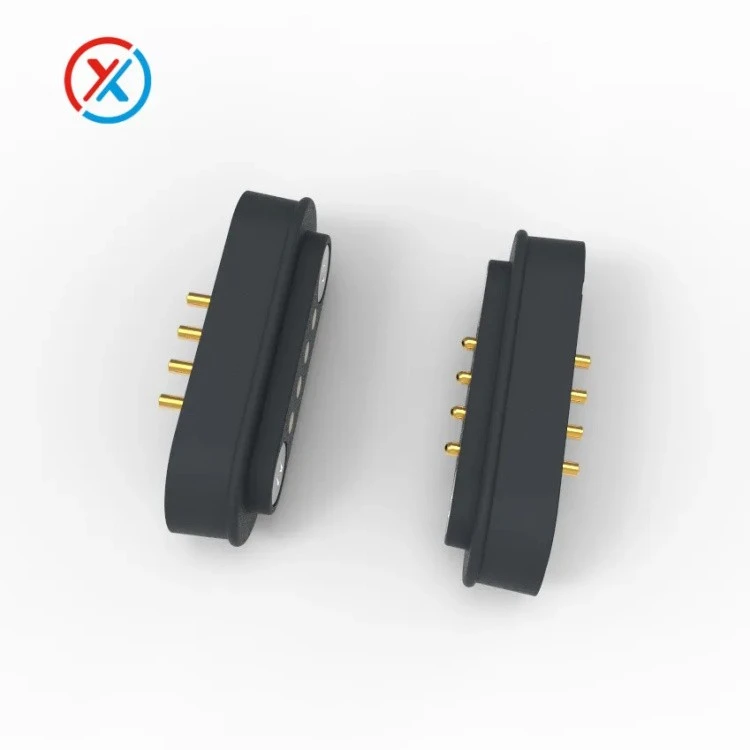

The DC Magnetic Connector is specifically designed for direct current (DC) applications. It can be used to connect DC power sources to electronic devices. The 4 pin configuration in a DC magnetic connector allows for the efficient transfer of DC power. For example, in a DC motor control system, the connector can be used to connect the power supply to the motor controller.
The Magnetic Power Connector is focused on power transfer. It can handle higher power levels compared to some other types of connectors. In applications where a lot of power is needed, such as in high - power LED lighting systems, the magnetic power connector can be used to ensure a stable power supply.
In terms of installation and maintenance, 4 pin magnetic connectors are relatively easy to work with. They can be quickly installed or removed, which makes them great for applications where components need to be replaced or upgraded frequently. And because of the magnetic connection, there's no need for complex locking mechanisms, which simplifies the installation process.
When it comes to troubleshooting, if you're experiencing problems with the connection between a 4 pin magnetic connector and another component, the first thing to check is the alignment. Make sure that the pins in the connector are properly lined up with the corresponding pins in the mating component. Also, check for any signs of damage or debris on the pins. If the pins are dirty, you can use a clean, dry cloth to gently wipe them.
In conclusion, 4 pin magnetic connectors are incredibly versatile components that can interact with a wide variety of other electronic parts. Whether it's for power transfer or signal transmission, they offer a reliable and convenient solution.
If you're in the market for high - quality 4 pin magnetic connectors, or if you have any questions about how they can be used in your specific application, don't hesitate to reach out for a purchase negotiation. We're here to help you find the perfect connector for your needs.
References
- General knowledge of electronics and connector technology