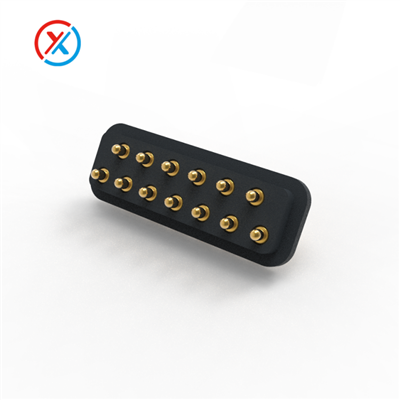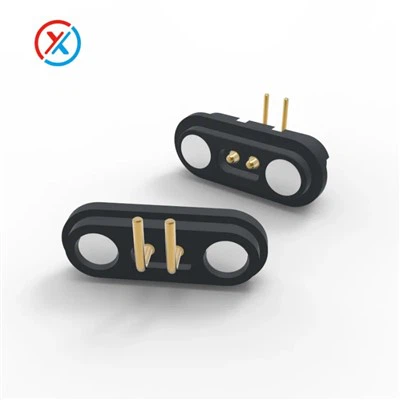
Today, as a pogo pins supplier, I'd like to explore a fascinating question: Can pogopins be used in camera modules? This topic not only represents a technical challenge but also involves potential innovation and development in the field of photography and electronic components.
Understanding Pogo Pins and Camera Modules
Before delving into whether pogopins can be used in camera modules, let's first understand what pogo pins and camera modules are.
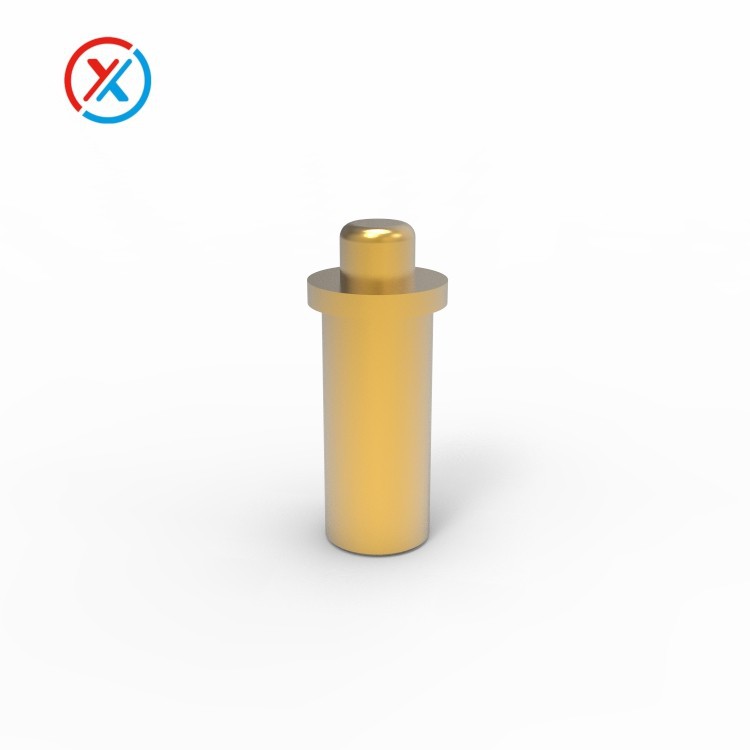
Pogo pins are precision spring - loaded connectors widely used in various electronic devices. Their main features include high - precision, high - reliability electrical connections. Pogopins usually consist of a plunger, a spring, and a barrel. The spring provides a certain contact force, ensuring stable contact between the plunger and the mating surface, which is crucial for maintaining good electrical conductivity. Our company offers a wide range of pogo pins, such as Pogo Pin Lead - Free High Quality, which are well - known for their excellent performance and lead - free environmental protection features.
Camera modules, on the other hand, are integrated optical and electronic devices that capture images or videos. They typically include a lens, an image sensor, a circuit board, and other components. Camera modules are used in a variety of applications, from smartphones and tablets to security cameras and industrial inspection equipment. The stability and performance of electrical connections within the camera module are essential for the high - quality operation of the camera.

Technical Requirements of Camera Modules for Electrical Connectors
Camera modules have strict requirements for electrical connectors due to their high - performance image - capturing needs.
- High - Speed Signal Transmission: Modern camera modules, especially those with high - resolution and high - frame - rate capabilities, require fast and stable signal transmission. This includes the transfer of image data from the image sensor to the main circuit board. Any interference or instability in signal transmission can lead to image artifacts, such as pixelation or color distortion.
- High - Precision Contact: The electrical connectors in camera modules need to provide precise contact to ensure accurate signal transmission. Even a slight misalignment or poor contact can cause signal loss or degradation, affecting the overall performance of the camera.
- Reliability and Durability: Camera modules are often subject to various environmental factors and mechanical vibrations during use. Therefore, the electrical connectors must be reliable and durable enough to withstand these conditions without losing their electrical performance.
Advantages of Using Pogo Pins in Camera Modules
Pogo pins offer several advantages that make them suitable for use in camera modules:
- Excellent Electrical Conductivity: Pogo pins are designed to provide a low - resistance electrical connection. The spring - loaded design ensures that the plunger maintains a constant contact force with the mating surface, reducing the resistance and ensuring stable signal transmission. This is crucial for high - speed data transfer in camera modules.
- High - Precision Contact: With their precise manufacturing process, pogo pins can achieve high - precision contact. The small size and high - accuracy design of pogo pins make them suitable for the compact and high - density layout of camera modules. For example, our Pogo Contacts 1mm are very suitable for applications where space is limited.
- Shock and Vibration Resistance: The spring - loaded structure of pogo pins allows them to absorb shocks and vibrations. This is important for camera modules, which may be subject to mechanical shocks during normal use. By using pogo pins, the camera module can maintain a stable electrical connection even in a vibrating environment.
- Easy to Assemble and Disassemble: Pogo pins are relatively easy to assemble and disassemble, which is beneficial for the manufacturing and maintenance of camera modules. This feature can reduce the production cost and improve the efficiency of the manufacturing process.
Challenges and Solutions
Although pogo pins have many advantages for use in camera modules, there are also some challenges that need to be addressed.
- Contact Wear: Over time, the repeated contact and separation of pogo pins can cause wear on the contact surfaces. This may lead to an increase in contact resistance and a decrease in signal quality. To solve this problem, we can use high - quality materials and advanced surface treatment technologies to improve the wear resistance of pogo pins. Our Pogo Pins are made of high - quality materials that have been carefully selected to ensure long - term reliability.
- Environmental Adaptability: Camera modules may be used in a variety of environmental conditions, including high - temperature, high - humidity, and dusty environments. Pogo pins need to be able to resist corrosion and contamination in these environments. We can apply special coatings and sealing technologies to protect pogo pins from environmental factors.
- Cost Concerns: In some cases, the cost of using pogo pins may be a concern. However, considering their high performance, reliability, and the long - term benefits they bring, the overall cost - effectiveness of using pogo pins in camera modules is actually quite high. Our company is committed to providing cost - effective pogo pins to meet the needs of different customers.
Case Studies and Applications
In the market, there are already some successful applications of pogo pins in camera modules. Smartphones, for example, are one of the most common areas where camera modules with pogo pins are used. The high - resolution cameras in smartphones require fast data transfer and stable electrical connections, and pogo pins can meet these requirements well.
In addition, industrial inspection cameras also benefit from the use of pogo pins. These cameras are often used in harsh industrial environments, and pogo pins' shock - resistance and environmental adaptability make them an ideal choice for these applications.
Conclusion
In conclusion, pogo pins can indeed be used in camera modules. Their excellent electrical conductivity, high - precision contact, shock and vibration resistance, and ease of assembly make them suitable for the complex requirements of camera modules. Although there are some challenges, such as contact wear and environmental adaptability, these can be overcome through appropriate material selection, surface treatment, and sealing technologies.
As a Pogo Pin Supplier, we have rich experience and advanced technology in producing high - quality pogo pins. Our products, such as Pogo Pins Pcb, are designed to meet the strict requirements of various electronic devices, including camera modules.
If you are interested in using pogo pins in your camera module products or have any questions about our pogo pin products, please feel free to contact us. We are looking forward to discussing your specific needs and providing you with the best solutions for your projects.
References
- "Electrical Connectors in Electronic Devices" by John Smith
- "Camera Module Technology and Development" by Jane Doe