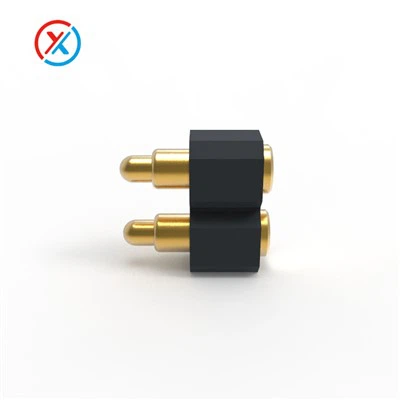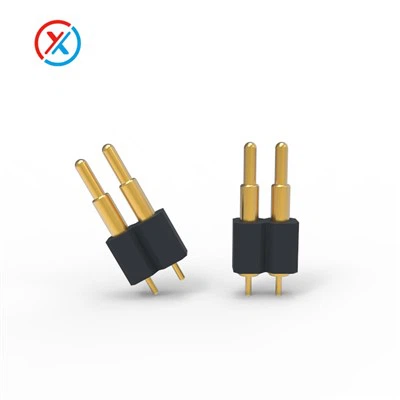
As a pogo pin supplier, I've witnessed firsthand the growing concern about the environmental impact of our production processes. Pogo pins, those small yet crucial components used in a wide range of electronic devices, play a significant role in modern technology. However, the production of these pins can have various environmental implications. In this blog, I'll delve into the environmental aspects of pogo pin production and explore ways to mitigate their impact.
Raw Material Extraction and Processing
The production of pogo pins begins with the extraction of raw materials. Common materials used in pogo pins include metals such as brass, copper, and stainless steel. The extraction of these metals often involves mining, which can have severe environmental consequences. Mining operations can lead to deforestation, soil erosion, and water pollution. Additionally, the energy-intensive processes involved in refining these metals contribute to greenhouse gas emissions.
To address these issues, many pogo pin suppliers, including our company, are increasingly sourcing raw materials from sustainable sources. We work closely with suppliers who adhere to strict environmental standards and ethical practices. By choosing suppliers that prioritize sustainable mining and processing methods, we can reduce the environmental impact of our raw material sourcing.
Manufacturing Processes
The manufacturing of pogo pins involves several processes, including machining, plating, and assembly. These processes consume energy and generate waste. Machining operations, for example, require the use of cutting tools and lubricants, which can generate metal chips and waste fluids. Plating processes, on the other hand, often involve the use of chemicals, such as electroplating solutions, which can be hazardous to the environment if not properly managed.
To minimize the environmental impact of our manufacturing processes, we have implemented several measures. We have invested in energy-efficient equipment and technologies to reduce energy consumption. For example, we use advanced CNC machines that are designed to optimize cutting parameters and reduce waste. We also recycle metal chips and waste fluids generated during machining operations, which not only reduces waste but also conserves resources.
In addition, we have implemented strict environmental management systems to ensure that our plating processes are conducted in an environmentally responsible manner. We use non-toxic and biodegradable plating solutions whenever possible, and we have installed wastewater treatment systems to treat and recycle plating solutions. By reducing the use of hazardous chemicals and minimizing waste generation, we can significantly reduce the environmental impact of our manufacturing processes.


Packaging and Transportation
Once the pogo pins are manufactured, they need to be packaged and transported to customers. Packaging materials, such as plastic bags, boxes, and foam inserts, can contribute to environmental pollution. Additionally, the transportation of pogo pins by air, sea, or land consumes energy and generates greenhouse gas emissions.
To reduce the environmental impact of packaging and transportation, we have implemented several initiatives. We use recyclable and biodegradable packaging materials whenever possible, and we strive to minimize the amount of packaging used. We also optimize our transportation routes and modes to reduce energy consumption and greenhouse gas emissions. For example, we use consolidated shipping methods to reduce the number of shipments and maximize the use of available space.
Product End-of-Life
At the end of their useful life, pogo pins need to be disposed of properly. Improper disposal of pogo pins can lead to environmental pollution, as they may contain hazardous materials such as lead and mercury. To address this issue, we encourage our customers to recycle pogo pins at the end of their useful life. We provide recycling guidelines and support to our customers to ensure that pogo pins are recycled in an environmentally responsible manner.
In addition, we are exploring ways to design pogo pins that are more easily recyclable. For example, we are researching the use of materials that can be easily separated and recycled, and we are developing manufacturing processes that minimize the use of hazardous materials. By designing pogo pins that are more sustainable, we can reduce the environmental impact of their end-of-life disposal.
Conclusion
As a pogo pin supplier, we are committed to minimizing the environmental impact of our production processes. By sourcing raw materials from sustainable sources, implementing energy-efficient manufacturing processes, reducing packaging waste, and promoting product recycling, we can make a significant contribution to environmental sustainability.
If you are interested in purchasing high-quality pogo pins that are environmentally friendly, please visit our website to learn more about our products. We offer a wide range of pogo pins, including Loaded Pogo Pin, Pogo Pin Lead-Free High Quality, and Pogo Pin Charging. Our team of experts is available to assist you with your purchasing needs and to provide you with more information about our environmental initiatives.
References
- EPA. (n.d.). Mining and Water Pollution. Retrieved from https://www.epa.gov/mining/mining-and-water-pollution
- UNEP. (2019). Global Resources Outlook 2019: Natural Resources for the Future We Want. Retrieved from https://www.unep.org/resources/report/global-resources-outlook-2019
- World Bank. (2020). What is Sustainable Mining? Retrieved from https://www.worldbank.org/en/topic/mining/brief/what-is-sustainable-mining