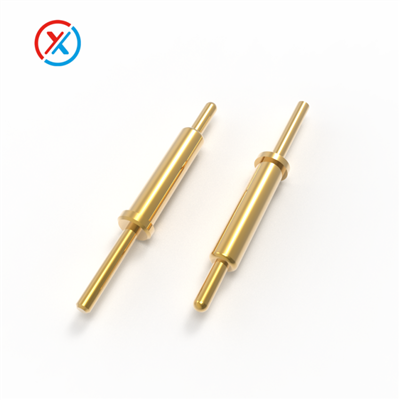
What is the shelf life of electrical pogo pins?
As a supplier of electrical pogo pins, I often get asked about the shelf life of these essential components. Pogo pins are spring-loaded pins used in a variety of electronic applications, such as mobile devices, test equipment, and automotive electronics. Understanding their shelf life is crucial for both manufacturers and end-users to ensure the reliability and performance of their products.
Factors Affecting the Shelf Life of Electrical Pogo Pins
The shelf life of electrical pogo pins can be influenced by several factors. One of the primary factors is the material used in their construction. Pogo pins are typically made from metals such as brass, copper, or stainless steel, which can be prone to corrosion over time. Exposure to moisture, humidity, and certain chemicals can accelerate the corrosion process, reducing the pin's conductivity and mechanical performance.
Another factor is the storage conditions. Pogo pins should be stored in a dry, clean environment away from direct sunlight and extreme temperatures. High temperatures can cause the spring inside the pin to lose its elasticity, while low temperatures can make the metal brittle. Additionally, improper handling and storage can lead to physical damage to the pins, such as bending or scratching, which can also affect their performance.
The quality of the manufacturing process also plays a significant role in the shelf life of pogo pins. Pins that are produced using high-quality materials and precision manufacturing techniques are generally more durable and have a longer shelf life. On the other hand, pins that are poorly manufactured or made from substandard materials may have a shorter lifespan and be more prone to failure.
Determining the Shelf Life of Electrical Pogo Pins
There is no one-size-fits-all answer to the question of how long electrical pogo pins can last on the shelf. The shelf life can vary depending on the factors mentioned above, as well as the specific application and usage conditions. However, as a general rule of thumb, most pogo pins can be stored for up to two to three years under proper storage conditions.


To determine the shelf life of a particular batch of pogo pins, it is recommended to consult the manufacturer's specifications and guidelines. The manufacturer may provide information on the expected shelf life based on their testing and experience. Additionally, some manufacturers may offer warranties or guarantees on their products, which can provide further assurance of their quality and durability.
Extending the Shelf Life of Electrical Pogo Pins
While the shelf life of electrical pogo pins is limited, there are several steps that can be taken to extend their lifespan. One of the most important steps is to ensure proper storage conditions. Pogo pins should be stored in a sealed container or bag to protect them from moisture, dust, and other contaminants. It is also recommended to store them in a cool, dry place away from direct sunlight and extreme temperatures.
Another way to extend the shelf life of pogo pins is to perform regular inspections and maintenance. This can include checking for signs of corrosion, damage, or wear, and replacing any pins that are no longer in good condition. Additionally, it is important to handle the pins carefully to avoid physical damage, such as bending or scratching.
Finally, it is important to use high-quality pogo pins from a reputable manufacturer. Pins that are made from high-quality materials and produced using precision manufacturing techniques are generally more durable and have a longer shelf life. By choosing a reliable supplier, you can ensure that you are getting the best possible product for your application.
Conclusion
In conclusion, the shelf life of electrical pogo pins can vary depending on several factors, including the material, storage conditions, and manufacturing quality. While most pogo pins can be stored for up to two to three years under proper storage conditions, it is important to consult the manufacturer's specifications and guidelines to determine the expected shelf life of a particular batch of pins. By taking steps to extend the shelf life of pogo pins, such as proper storage, regular inspections, and using high-quality products, you can ensure the reliability and performance of your electronic devices.
If you are interested in purchasing electrical pogo pins, we invite you to contact us for procurement discussions. Our team of experts can provide you with more information about our products and help you find the right solution for your needs.
References
- Manufacturer's specifications and guidelines for electrical pogo pins
- Industry standards and best practices for the storage and handling of electronic components
- Research studies on the corrosion and degradation of metals used in pogo pin construction