The lifespan of Pogo Pins is a crucial factor that both consumers and suppliers need to understand thoroughly. As a Pogo Pins supplier, I've witnessed firsthand the importance of this metric in various industries. In this blog, we'll delve into what determines the lifespan of Pogo Pins, how to measure it, and how it impacts different applications.
Understanding Pogo Pins
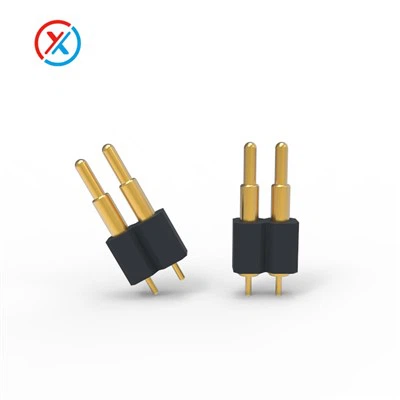
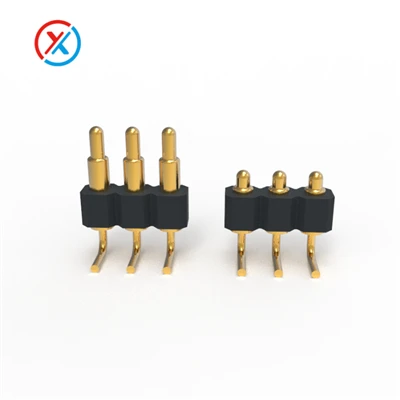
Pogo Pins are spring-loaded pins commonly used in electronic devices for electrical connections. They are known for their high precision, reliability, and ability to provide stable electrical conductivity. These pins are widely used in a variety of applications, including smartphones, tablets, wearables, and test fixtures.
The basic structure of a Pogo Pin consists of a plunger, a barrel, and a spring. When pressure is applied, the plunger compresses the spring inside the barrel, creating an electrical connection. The quality of these components and the manufacturing process play a significant role in determining the lifespan of the Pogo Pin.
Factors Affecting the Lifespan of Pogo Pins
Material Quality
The materials used in Pogo Pins have a direct impact on their lifespan. High-quality materials such as copper alloys, gold plating, and stainless steel can significantly enhance the durability and conductivity of the pins. For example, gold plating provides excellent corrosion resistance and low contact resistance, which helps to maintain a stable electrical connection over time.
Manufacturing Process
The manufacturing process of Pogo Pins is also crucial. Precision machining and assembly techniques ensure that the pins are properly aligned and have consistent dimensions. This reduces the risk of mechanical failure and ensures that the pins can withstand repeated use.
Operating Conditions
The operating conditions of Pogo Pins can greatly affect their lifespan. Factors such as temperature, humidity, vibration, and shock can all have an impact on the performance of the pins. For example, high temperatures can cause the spring to lose its elasticity, while humidity can lead to corrosion.
Frequency of Use
The frequency of use is another important factor. Pogo Pins that are used frequently will naturally experience more wear and tear than those that are used less often. Therefore, it's important to consider the expected usage rate when selecting Pogo Pins for a particular application.
Measuring the Lifespan of Pogo Pins
The lifespan of Pogo Pins is typically measured in terms of the number of cycles they can withstand before failure. A cycle is defined as one complete compression and release of the pin. The number of cycles a Pogo Pin can endure depends on the factors mentioned above.
To determine the lifespan of Pogo Pins, manufacturers often conduct accelerated life tests. These tests involve subjecting the pins to a high number of cycles under controlled conditions to simulate long-term use. By analyzing the results of these tests, manufacturers can estimate the lifespan of the pins in real-world applications.


Lifespan in Different Applications
Consumer Electronics
In consumer electronics such as smartphones and tablets, Pogo Pins are used for charging and data transfer. These pins need to be able to withstand frequent use over the lifespan of the device. Typically, Pogo Pins used in consumer electronics can last for tens of thousands of cycles, ensuring reliable performance throughout the life of the product.
Industrial Applications
In industrial applications, Pogo Pins are often used in test fixtures and connectors. These pins need to be able to withstand harsh operating conditions, including high temperatures, vibrations, and frequent use. Industrial-grade Pogo Pins are designed to have a longer lifespan, often exceeding hundreds of thousands of cycles.
Medical Devices
Medical devices require high levels of reliability and safety. Pogo Pins used in medical devices need to be able to provide stable electrical connections over a long period of time. The lifespan of Pogo Pins in medical applications is typically very high, often in the range of millions of cycles.
Extending the Lifespan of Pogo Pins
Proper Installation
Proper installation of Pogo Pins is essential for ensuring their longevity. This includes ensuring that the pins are properly aligned and that the correct amount of pressure is applied during installation. Incorrect installation can lead to premature failure of the pins.
Regular Maintenance
Regular maintenance can also help to extend the lifespan of Pogo Pins. This includes cleaning the pins to remove dirt and debris, and inspecting them for signs of wear or damage. If any issues are detected, the pins should be replaced immediately.
Choosing the Right Pins
Selecting the right Pogo Pins for a particular application is crucial. This involves considering factors such as the expected usage rate, operating conditions, and required electrical performance. By choosing the right pins, you can ensure that they will have a long lifespan and provide reliable performance.
Our Offerings
As a Pogo Pins supplier, we offer a wide range of high-quality Pogo Pins to meet the needs of different applications. Our Surface Mount Pogo Pins are designed for easy installation on printed circuit boards, while our Pogo Pins Pcb provide reliable electrical connections. We also offer Lead-Free-Pogo-Pins High Quality that are environmentally friendly and meet the highest industry standards.
Conclusion
The lifespan of Pogo Pins is a critical factor that can significantly impact the performance and reliability of electronic devices. By understanding the factors that affect the lifespan of Pogo Pins and taking steps to extend it, you can ensure that your products will have a long and reliable service life.
If you're interested in learning more about our Pogo Pins or would like to discuss your specific requirements, please feel free to contact us. We're here to help you find the best solutions for your needs.
References
- "Pogo Pin Technology and Applications" - Electronic Components Magazine
- "Reliability Testing of Spring-Loaded Pins" - Journal of Electrical and Electronics Engineering
- "Materials and Manufacturing Processes for Pogo Pins" - International Journal of Precision Engineering and Manufacturing