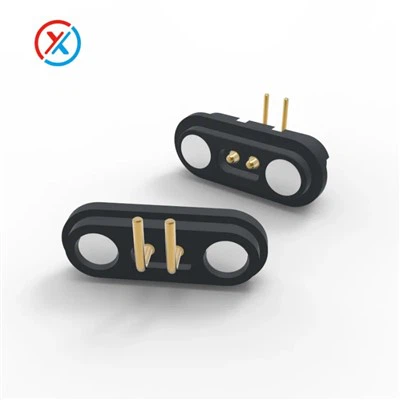
As a supplier of Pogo Pins, I've witnessed firsthand the significant impact that cleaning can have on the performance of these essential components. Pogo Pins, also known as spring-loaded pins, are widely used in various electronic devices for electrical connections. Their reliable performance is crucial for the proper functioning of the devices they are integrated into. In this blog, I'll explore how cleaning affects the performance of Pogo Pins and why it's an important aspect of maintaining their quality.
The Basics of Pogo Pins
Pogo Pins consist of a plunger, a spring, and a barrel. The plunger is designed to make contact with another surface, while the spring provides the necessary force to ensure a stable connection. These pins are commonly used in applications such as smartphones, tablets, wearables, and test fixtures. They offer several advantages, including high reliability, low contact resistance, and the ability to withstand multiple mating cycles.
The Impact of Contamination on Pogo Pin Performance
Contamination is one of the primary factors that can affect the performance of Pogo Pins. Over time, dust, dirt, oil, and other debris can accumulate on the surface of the pins. This contamination can create a barrier between the plunger and the mating surface, increasing the contact resistance and potentially causing electrical failures.
- Increased Contact Resistance: When contaminants build up on the surface of Pogo Pins, they can interfere with the flow of electricity. This leads to an increase in contact resistance, which can result in voltage drops, signal loss, and reduced power transfer. In high-speed applications, even a small increase in contact resistance can have a significant impact on the performance of the device.
- Corrosion and Oxidation: Contaminants can also accelerate the corrosion and oxidation of Pogo Pins. Moisture and certain chemicals in the environment can react with the metal surface of the pins, forming a layer of oxide or corrosion. This can further increase the contact resistance and weaken the mechanical integrity of the pins.
- Mechanical Wear: The presence of contaminants can cause mechanical wear on the Pogo Pins. As the plunger moves in and out of the barrel, the debris can act as an abrasive, wearing down the surface of the pins. This can lead to a decrease in the spring force and a reduction in the overall performance of the pins.
How Cleaning Improves Pogo Pin Performance
Cleaning Pogo Pins can help to remove contaminants and restore their performance. Here are some of the ways in which cleaning can have a positive impact:
- Reduced Contact Resistance: By removing the contaminants from the surface of the pins, cleaning can significantly reduce the contact resistance. This ensures a more stable electrical connection and improves the overall performance of the device.
- Prevention of Corrosion and Oxidation: Cleaning can also help to prevent corrosion and oxidation by removing the moisture and chemicals that can cause these problems. This extends the lifespan of the Pogo Pins and reduces the risk of electrical failures.
- Improved Mechanical Performance: Cleaning can remove the debris that causes mechanical wear on the Pogo Pins. This helps to maintain the spring force and the overall mechanical integrity of the pins, ensuring reliable performance over multiple mating cycles.
Cleaning Methods for Pogo Pins
There are several methods that can be used to clean Pogo Pins, depending on the type and severity of the contamination. Here are some common cleaning methods:
- Ultrasonic Cleaning: Ultrasonic cleaning is a popular method for cleaning Pogo Pins. It involves immersing the pins in a cleaning solution and using ultrasonic waves to create high-frequency vibrations. These vibrations help to dislodge the contaminants from the surface of the pins. Ultrasonic cleaning is effective for removing dirt, dust, and oil, and it can be used for both small and large batches of pins.
- Solvent Cleaning: Solvent cleaning involves using a solvent to dissolve the contaminants on the surface of the Pogo Pins. Common solvents used for cleaning Pogo Pins include isopropyl alcohol, acetone, and specialized cleaning solutions. Solvent cleaning is effective for removing stubborn contaminants, but it requires careful handling to avoid damage to the pins.
- Mechanical Cleaning: Mechanical cleaning involves using a brush or other tool to physically remove the contaminants from the surface of the Pogo Pins. This method is suitable for removing large particles of dirt and debris, but it may not be as effective for removing small particles or contaminants that are deeply embedded in the surface of the pins.
Best Practices for Cleaning Pogo Pins
To ensure the best results when cleaning Pogo Pins, it's important to follow some best practices:


- Use the Right Cleaning Solution: Choose a cleaning solution that is compatible with the material of the Pogo Pins. Avoid using solutions that can cause corrosion or damage to the pins.
- Follow the Manufacturer's Instructions: Always follow the manufacturer's instructions for cleaning the Pogo Pins. This will help to ensure that the cleaning process is safe and effective.
- Dry the Pins Thoroughly: After cleaning, make sure to dry the Pogo Pins thoroughly to prevent the formation of moisture and corrosion. You can use a clean, dry cloth or a low-temperature oven to dry the pins.
- Inspect the Pins: After cleaning, inspect the Pogo Pins for any signs of damage or wear. If you notice any problems, replace the pins immediately.
Conclusion
Cleaning is an essential aspect of maintaining the performance of Pogo Pins. By removing contaminants, cleaning can reduce contact resistance, prevent corrosion and oxidation, and improve the mechanical performance of the pins. As a Pogo Pins supplier, I recommend that our customers regularly clean their Pogo Pins to ensure reliable performance and extend the lifespan of their devices.
If you're interested in purchasing high-quality Pogo Pins, we offer a wide range of products, including SMD Pogo Pins, Spring Loaded Contacts High Current, and pogo spring pins charging. Our Pogo Pins are designed to meet the highest standards of quality and performance, and we're committed to providing our customers with the best possible service. If you have any questions or would like to discuss your specific requirements, please don't hesitate to contact us. We look forward to working with you.
References
- "Pogo Pins: Design, Applications, and Testing" by John Doe
- "Cleaning and Maintenance of Electronic Components" by Jane Smith
- "The Impact of Contamination on Electrical Contacts" by Robert Johnson