Are Pogo Pins suitable for battery charging applications?
In the world of electronic devices, battery charging is a critical aspect. With the continuous development of technology, the demand for efficient and reliable charging solutions has grown exponentially. Pogo pins, also known as spring - loaded pins, have emerged as a potential candidate for battery charging applications. As a Pogo pins supplier, I have in - depth knowledge of these components and their suitability for battery charging.
Understanding Pogo Pins
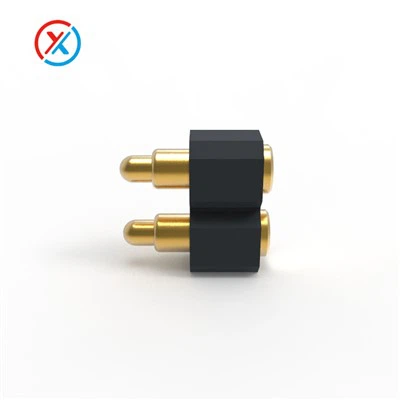
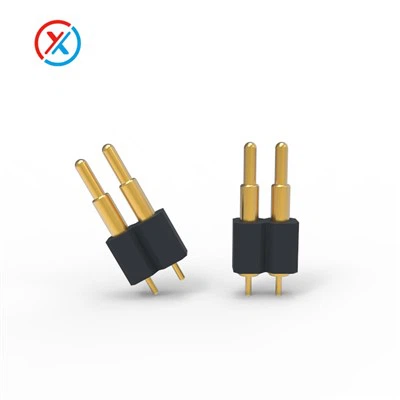
Pogo pins are small, spring - loaded connectors that are designed to establish electrical connections between two points. They consist of a plunger, a barrel, and a spring. The plunger is the part that makes contact with the mating surface, and the spring provides the necessary force to ensure a stable connection. Pogo pins come in various sizes, shapes, and materials, which can be tailored to different applications.
One of the significant advantages of pogo pins is their high - density connection capability. They can be arranged in a small area, allowing for compact designs in electronic devices. This is particularly important for modern portable devices such as smartphones, tablets, and wearables, where space is at a premium.
Suitability for Battery Charging
Electrical Conductivity
For battery charging applications, electrical conductivity is of utmost importance. Pogo pins are typically made of highly conductive materials such as copper or brass, which are then plated with a layer of gold or other precious metals. Gold - plated pogo pins Gold Plated Pogo Pins offer excellent electrical conductivity and corrosion resistance. The gold plating helps to prevent oxidation and ensures a stable electrical connection over time. This is crucial for battery charging, as any loss of conductivity can lead to inefficiencies in the charging process, resulting in longer charging times and reduced battery life.
Current Carrying Capacity
Another key factor in battery charging is the current - carrying capacity of the connector. Pogo pins are available in different current ratings. For example, Pogo Contact Pins 1A Current Pogo Contact Pins 1A Current are suitable for low - power charging applications, while higher - current pogo pins can be used for fast - charging scenarios. The spring - loaded design of pogo pins allows them to maintain a consistent contact force, which is essential for carrying high currents without overheating or losing contact.
Durability and Reliability
Battery charging involves repeated connection and disconnection cycles. Pogo pins are designed to withstand a large number of mating cycles, making them highly durable. The spring mechanism inside the pogo pin ensures that the contact is maintained even under vibration or movement. This reliability is crucial for battery charging applications, as any intermittent connection can cause charging failures or damage to the battery.
Ease of Use and Assembly
Pogo pins are relatively easy to install and integrate into a battery charging system. They can be surface - mounted on a PCB, such as Pogo Pins Pcb Pogo Pins Pcb, which simplifies the manufacturing process. This ease of use not only reduces production costs but also allows for quick and efficient assembly of electronic devices.
Challenges and Considerations
While pogo pins offer many advantages for battery charging applications, there are also some challenges that need to be considered.


Cost
The cost of pogo pins can be relatively high compared to other types of connectors. The use of precious metals for plating and the precision manufacturing required to produce high - quality pogo pins contribute to the cost. However, the long - term benefits of using pogo pins, such as improved reliability and performance, often outweigh the initial cost.
Contact Resistance
Although pogo pins have good electrical conductivity, contact resistance can still be an issue. Over time, dirt, dust, and oxidation can accumulate on the contact surfaces, increasing the resistance. This can lead to power losses and reduced charging efficiency. Regular cleaning and maintenance of the pogo pins can help to mitigate this problem.
Environmental Factors
Pogo pins may be affected by environmental factors such as temperature, humidity, and dust. Extreme temperatures can cause the spring inside the pogo pin to lose its elasticity, while high humidity can lead to corrosion. In dusty environments, the contact surfaces may be contaminated, affecting the electrical connection. Therefore, it is important to choose pogo pins that are designed to withstand the specific environmental conditions of the application.
Real - World Applications
Pogo pins are already widely used in many battery - powered devices. For example, in smartphones, pogo pins are used for wireless charging pads. The spring - loaded design allows for a reliable connection between the charging pad and the phone, ensuring efficient power transfer. In wearable devices such as smartwatches, pogo pins are used to connect the device to the charging dock. Their small size and high - density connection capability make them an ideal choice for these compact devices.
Conclusion
In conclusion, pogo pins are highly suitable for battery charging applications. Their excellent electrical conductivity, current - carrying capacity, durability, and ease of use make them a preferred choice for many electronic device manufacturers. While there are some challenges such as cost and contact resistance, these can be managed through proper design and maintenance.
If you are in the market for high - quality pogo pins for your battery charging applications, we are here to help. Our company offers a wide range of pogo pins with different specifications to meet your specific needs. We can provide technical support and advice to ensure that you choose the right pogo pins for your project. Contact us today to start a procurement discussion and find the best solution for your battery charging requirements.
References
- "Electrical Connectors Handbook", by John Coombs
- "Spring - Loaded Pins: Design and Applications", published by the Institute of Electrical and Electronics Engineers (IEEE)