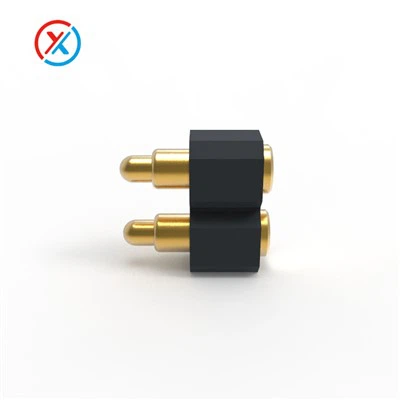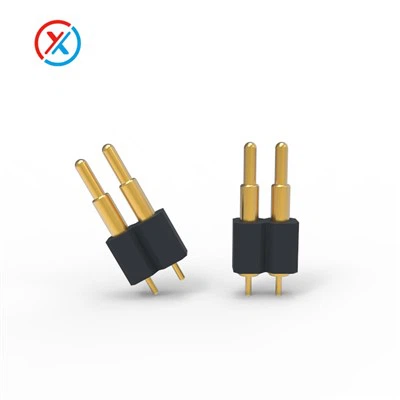
Hey there! As a supplier of Connecteur Pogo Pin, I often get asked about how to test the performance of these little but crucial components. In this blog, I'm gonna share some practical methods to help you ensure the quality of your Connecteur Pogo Pin.
1. Electrical Performance Testing
The electrical performance of a Connecteur Pogo Pin is super important. After all, its main job is to transmit electrical signals.


Contact Resistance Testing
Contact resistance is a key indicator. To test it, you can use a multimeter. First, connect the multimeter probes to the two ends of the pogo pin. Make sure the connection is stable. Then, measure the resistance value. A lower contact resistance usually means better electrical conductivity. For example, if the contact resistance is too high, it might cause signal loss or voltage drop, which can mess up the performance of the whole device.
You can also use a more advanced instrument like a four - wire resistance tester. This can provide more accurate results, especially for very low - resistance measurements. The four - wire method can eliminate the influence of lead resistance, giving you a more precise value of the contact resistance of the Connecteur Pogo Pin.
Current - Carrying Capacity Testing
Another aspect is the current - carrying capacity. You need to apply a gradually increasing current to the pogo pin and monitor its temperature. As the current increases, the temperature of the pin will rise. When the temperature reaches a certain limit (usually specified by the manufacturer), the maximum current that the pin can carry is determined.
For instance, if you're using a Spring Loaded Pin Connector, you don't want it to overheat when a certain amount of current is flowing through it. Overheating can not only damage the pin itself but also pose a safety risk. You can use a thermal imaging camera to monitor the temperature distribution on the pin during the test.
2. Mechanical Performance Testing
Mechanical performance is also vital for a Connecteur Pogo Pin. It needs to withstand repeated use and mechanical stress.
Spring Force Testing
The spring force of the pogo pin is crucial. You can use a spring force tester to measure it. Place the pogo pin in the tester and compress it to a certain displacement. The tester will then display the corresponding spring force. A proper spring force ensures good contact between the pin and the mating surface.
If the spring force is too weak, the pin may not make a reliable connection. On the other hand, if it's too strong, it might cause damage to the mating surface or even break the pin itself. For example, in a Spring Loaded Pins Electronics application, the right spring force is essential for stable signal transmission.
Insertion and Extraction Force Testing
Insertion and extraction forces are also important. You can use a force - measuring device to measure the force required to insert the pogo pin into a socket and the force needed to extract it. These forces should be within a reasonable range. If the insertion force is too high, it can be difficult to assemble the components. If the extraction force is too low, the pin may come loose easily.
Durability Testing
To test the durability of the Connecteur Pogo Pin, you can use a cyclic testing machine. This machine repeatedly inserts and extracts the pin a large number of times (e.g., 100,000 or more cycles). After the test, check the pin for any signs of wear, deformation, or damage. A high - quality pogo pin should be able to withstand a large number of cycles without significant degradation in performance.
3. Environmental Performance Testing
Connecteur Pogo Pins may be used in various environmental conditions, so it's important to test their performance under different environments.
Temperature Testing
You can use a temperature chamber to test the performance of the pogo pin at different temperatures. For example, you can test it at high temperatures (e.g., 85°C) and low temperatures (e.g., - 40°C). Measure the electrical and mechanical properties of the pin at these temperatures. Some materials may expand or contract at different temperatures, which can affect the performance of the pin.
Humidity Testing
Humidity can also have an impact on the performance of the pogo pin. You can place the pin in a humidity chamber with a certain relative humidity (e.g., 85% RH) for a period of time. Then, check for any signs of corrosion or changes in electrical properties. Corrosion can increase the contact resistance and reduce the lifespan of the pin.
Vibration and Shock Testing
In some applications, the Connecteur Pogo Pin may be subjected to vibration and shock. You can use a vibration table and a shock tester to simulate these conditions. Test the pin under different vibration frequencies and shock levels. Check if the pin can maintain a stable connection during these tests.
4. Chemical Performance Testing
The chemical properties of the pogo pin are also important, especially in some harsh environments.
Plating Adhesion Testing
The plating on the pogo pin is important for corrosion resistance and electrical conductivity. You can use a tape test to check the adhesion of the plating. Apply a piece of adhesive tape to the surface of the pin and then quickly peel it off. If a large amount of plating comes off with the tape, it indicates poor plating adhesion.
Corrosion Resistance Testing
You can use a salt - spray test to evaluate the corrosion resistance of the pogo pin. Place the pin in a salt - spray chamber and expose it to a salt - water mist for a certain period of time. Then, check for any signs of corrosion on the surface of the pin.
If you're interested in purchasing high - quality Connecteur Pogo Pin, you can visit our product pages: Spring Loaded Pin Connector, Connecteur Pogo Pin, and Spring Loaded Pins Electronics. We're always ready to have a chat about your specific needs and offer the best solutions.
References
- Industry standards for electrical connectors
- Technical literature from connector manufacturers
- Research papers on connector performance testing