Shock is a physical phenomenon that can have a significant impact on various mechanical and electronic components. As a supplier of Pin Pogo, understanding how shock affects these products is crucial for ensuring their quality, reliability, and performance. In this blog, we will delve into the details of how shock influences Pin Pogo and what measures can be taken to mitigate its adverse effects.
What are Pin Pogo?
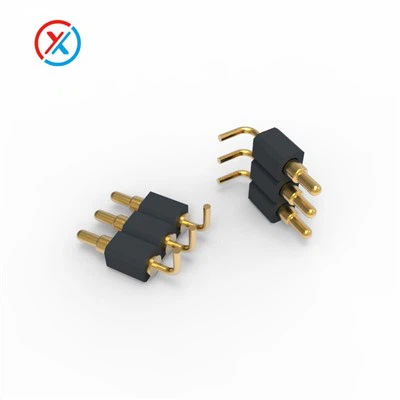
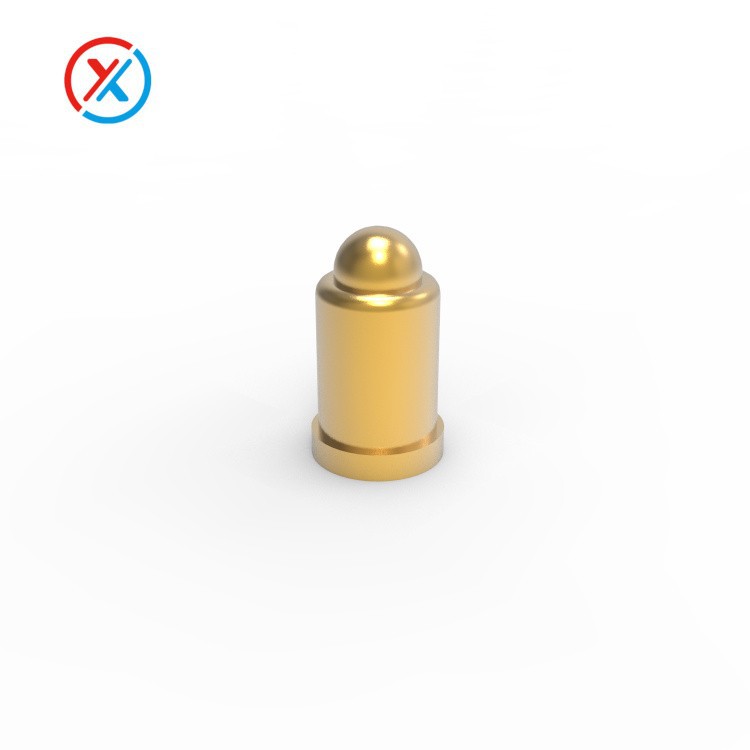
Pin Pogo, also known as Pogo Pins, are spring - loaded pins used in a wide range of electronic applications. They are commonly found in devices such as smartphones, tablets, wearables, and test fixtures. These pins provide a reliable electrical connection between two components, allowing for the transfer of power, signals, or data. SMD Pogo Pins are a specific type of Pogo Pins that are designed for surface - mount technology (SMT), which enables high - density circuit board assembly. Po Go Pin is another term often used interchangeably with Pogo Pins, referring to the same spring - loaded electrical connectors.
The Mechanism of Shock
Shock is defined as a sudden acceleration or deceleration of an object. It can be caused by various factors, such as dropping a device, a collision, or a sudden impact during transportation. When a shock occurs, the object experiences a rapid change in velocity, which generates a large force over a short period of time. This force can be transmitted through the object and affect its internal components, including Pin Pogo.
How Shock Affects Pin Pogo
1. Mechanical Damage
One of the most direct effects of shock on Pin Pogo is mechanical damage. The sudden force generated by the shock can cause the pins to bend, break, or become misaligned. If a pin is bent, it may no longer make proper contact with the mating surface, leading to a poor electrical connection. A broken pin will completely disrupt the electrical path, resulting in a malfunction of the device. Misaligned pins can also cause problems, as they may not fit correctly into the corresponding sockets or holes, leading to inconsistent contact and signal transmission issues.
2. Spring Fatigue
The springs inside Pin Pogo are designed to provide the necessary force for maintaining electrical contact. However, repeated shock events can cause the springs to experience fatigue. Fatigue occurs when a material is subjected to cyclic loading, which gradually weakens the material over time. When the springs in Pin Pogo experience fatigue, their elasticity decreases, and they may lose the ability to provide the required contact force. This can lead to intermittent electrical connections, which are difficult to diagnose and can cause reliability issues in the device.
3. Contact Resistance Changes
Shock can also affect the contact resistance of Pin Pogo. The contact resistance is the resistance between the pin and the mating surface, and it plays a crucial role in the quality of the electrical connection. A sudden shock can cause the surface of the pin or the mating surface to deform, which can change the contact area and the pressure between the two surfaces. This, in turn, can lead to an increase or decrease in the contact resistance. An increase in contact resistance can result in power losses, signal attenuation, and overheating, while a decrease in contact resistance may seem beneficial but can also indicate a change in the mechanical properties of the pin, which may lead to long - term reliability problems.
4. Loosening of Components
In some cases, shock can cause the components of Pin Pogo to become loose. For example, the tip of the pin may become detached from the body of the pin, or the pin may become loose within its housing. Loose components can cause intermittent electrical connections, as well as increase the risk of further damage due to movement and vibration.

Mitigating the Effects of Shock on Pin Pogo
1. Design Optimization
During the design phase, several measures can be taken to improve the shock resistance of Pin Pogo. For example, using stronger and more durable materials for the pins and springs can increase their mechanical strength. The design of the pin and its housing can also be optimized to better withstand shock. For instance, adding additional support structures or using a more robust housing design can help to prevent the pins from bending or breaking during a shock event.
2. Packaging and Transportation
Proper packaging is essential for protecting Pin Pogo during transportation. Using shock - absorbing materials, such as foam or rubber, can help to reduce the impact of shock on the pins. Additionally, ensuring that the pins are securely packaged and protected from movement can prevent them from being damaged during transit.
3. Testing and Quality Control
Conducting shock testing as part of the quality control process is crucial for identifying any potential issues with Pin Pogo. Shock testing involves subjecting the pins to a series of controlled shock events and measuring their performance before and after the test. This can help to ensure that the pins meet the required standards for shock resistance and reliability. Any pins that fail the shock test can be rejected, preventing them from being used in the final product.
Importance of Working with a Reliable Supplier
As a Pin Pogo supplier, we understand the importance of providing high - quality products that can withstand shock and other environmental factors. We have a team of experienced engineers who are dedicated to designing and manufacturing Pin Pogo with excellent shock resistance. Our products undergo rigorous testing and quality control procedures to ensure that they meet the highest standards of performance and reliability.
If you are in need of Pin Pogo for your electronic applications, we invite you to contact us for procurement and negotiation. We can provide you with detailed product information, samples, and competitive pricing. Our goal is to work closely with you to meet your specific requirements and provide you with the best possible solutions.
References
- "Electrical Connectors Handbook" by John M. Coombs
- "Mechanical Design and Manufacturing of Electronic Packaging" by Richard C. Jaeger
- "Shock and Vibration Handbook" by Cyril M. Harris