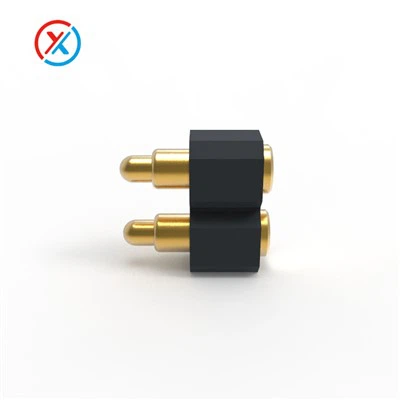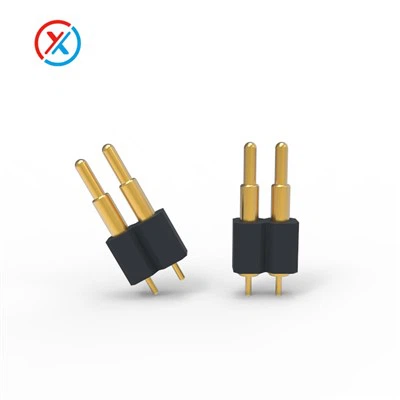
As a dedicated supplier of Pin Pogo products, I'm often intrigued by the in - depth inquiry about how the spring design of Pin Pogo affects its performance. In this blog, I'll delve into the various aspects of this relationship, exploring both the theoretical and practical implications.
The Core Role of Springs in Pin Pogo
Springs are an essential component of Pin Pogo, often determining the device's overall functionality. They are not just simple mechanical parts; they are the key to ensuring stable electrical connections and long - term reliability. When properly designed, springs can resist external forces and maintain a consistent level of contact pressure, which is crucial for the efficient transfer of electrical signals.
Impact on Electrical Conductivity
The primary function of Pin Pogo is to provide a stable electrical connection. The spring design plays a central role in achieving this. A well - designed spring can ensure continuous contact between the pin and the pad, thereby minimizing resistance and maximizing electrical conductivity.
A spring with appropriate stiffness and elasticity can adjust its shape according to the surface conditions of the contact area. For example, if the surface is slightly uneven, the spring can adapt by compressing or expanding, maintaining contact across the entire surface. This continuous contact is vital for reducing signal interference and ensuring that electrical signals are transmitted smoothly.
On the contrary, a poorly designed spring may lead to intermittent contact. When there is insufficient contact pressure, it can result in increased resistance, which in turn generates heat and may cause signal loss. This is particularly problematic in high - speed data transmission applications where any form of signal degradation can have a significant impact on the overall system performance.
Durability and Lifespan
The spring design also has a direct impact on the durability and lifespan of Pin Pogo. The materials used in the spring, along with its shape and winding density, can affect how well it withstands repeated use.
For example, a spring made from high - quality materials with excellent corrosion resistance will be less likely to fail over time. Stainless steel is a popular choice due to its combination of strength and corrosion - proof properties. In addition, the shape of the spring matters. Coil springs with an optimized pitch and diameter can distribute stress more evenly during compression and expansion cycles. This even stress distribution reduces the risk of fatigue failure, which is a common cause of spring breakage in Pin Pogo.
Moreover, the winding density of the spring affects its load - bearing capacity. A spring with a higher winding density can usually withstand more pressure without deforming permanently. This means that Pin Pogo with well - designed springs can be used in applications that require frequent plugging and unplugging, such as in test fixtures or docking stations, without sacrificing performance.


Mechanical Stability
In addition to electrical conductivity and durability, mechanical stability is another important aspect affected by spring design. The spring needs to be able to maintain its position within the Pin Pogo structure and provide consistent support.
A well - fitting spring will prevent the pin from wobbling or shifting, which is essential for maintaining a stable connection in dynamic environments. For instance, in mobile devices, where vibrations and shocks are common, the mechanical stability of Pin Pogo is crucial. A spring that can absorb and dissipate energy during these movements can protect the electrical connection from damage.
The pre - load setting of the spring also affects mechanical stability. By setting an appropriate pre - load, the spring can ensure that the pin remains in contact with the mating surface even under normal operating vibrations. This pre - load acts as a buffer, preventing the pin from separating from the contact surface and maintaining a reliable connection.
Influence on Contact Force
Contact force is a critical parameter in the performance of Pin Pogo. The spring design is directly related to the generation and control of contact force. Different applications require different levels of contact force, and the spring design needs to be adjusted accordingly.
For high - power applications, a higher contact force is usually required to ensure a low - resistance electrical connection. A spring with a higher spring constant can generate a greater contact force when compressed. However, this needs to be balanced with the material's ability to withstand the force without causing damage to the contact surface.
Conversely, in applications where the contact surface is relatively delicate, such as in some micro - electronic devices, a lower contact force is desired. Springs with a lower spring constant can be used in these cases to prevent damage to the fragile components while still maintaining a reliable electrical connection.
Custom Spring Design for Specific Applications
As a Pin Pogo supplier, we understand that different customers have different needs. Therefore, we offer custom spring design services to meet the specific requirements of various applications.
For example, some customers may need Pin Pogo for high - speed data transmission in a compact space. In this case, we can design a spring with a small size but high performance to ensure both electrical conductivity and mechanical stability. We can also adjust the spring's characteristics based on the specific environmental conditions of the application, such as high - temperature or high - humidity environments.
We use advanced simulation tools to predict the performance of the spring design before manufacturing. This allows us to make adjustments early in the design process, reducing the time and cost of product development. By leveraging our expertise in spring design, we can provide our customers with Pin Pogo products that are optimal for their specific applications.
The Role of Surface Treatment in Conjunction with Spring Design
When discussing the performance of Pin Pogo, it's also important to consider the role of surface treatment in conjunction with spring design. Surface treatment, such as gold plating, can enhance the electrical conductivity and corrosion resistance of the Pin Pogo.
Gold Plated Pogo Pins are widely used in high - end applications due to their excellent electrical properties. The gold layer not only reduces contact resistance but also provides a protective barrier against oxidation and corrosion. When combined with a well - designed spring, the overall performance of the Pin Pogo can be significantly improved.
The spring's ability to maintain pressure on the gold - plated surface ensures that the electrical connection remains stable over time. Even if there is some degree of wear on the surface, the spring can still adapt to maintain contact, prolonging the lifespan of the Pin Pogo.
Applications in PCB Design
In PCB (Printed Circuit Board) design, Pogo Pins are often used for testing and connecting. The spring design of Pin Pogo has a direct impact on its performance in PCB applications.
For Pogo Pins Pcb, the spring needs to be able to accommodate the different thicknesses of the PCB and provide a consistent contact force. A well - designed spring can ensure that the Pin Pogo makes good contact with the PCB pads, whether it's a single - layer or multi - layer PCB.
In addition, the spring's ability to withstand repeated contact during testing is crucial. PCB testing often involves multiple cycles of connection and disconnection. A robust spring design can prevent premature failure and ensure the reliability of the testing process.
Conclusion
In conclusion, the spring design of Pin Pogo has a profound impact on its performance in terms of electrical conductivity, durability, mechanical stability, contact force, and more. As a professional Pin Pogo supplier, we are committed to providing high - quality products by focusing on the spring design and combining it with advanced manufacturing techniques and surface treatment processes.
If you are interested in our Pogo Pins products or have specific requirements for spring - designed Pin Pogo, please feel free to contact us for procurement discussions. We look forward to collaborating with you to meet your unique needs.
References
- Smith, J. A. (2018). Mechanical Design of Electrical Connectors. New York: McGraw - Hill.
- Brown, K. L. (2019). Fundamentals of Spring Design and Analysis. London: Elsevier.
- Green, T. R. (2020). Surface Treatment for Electrical Components. Berlin: Springer.