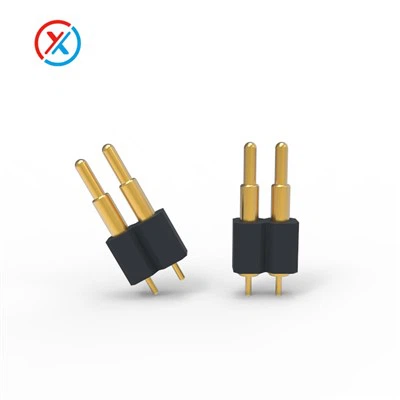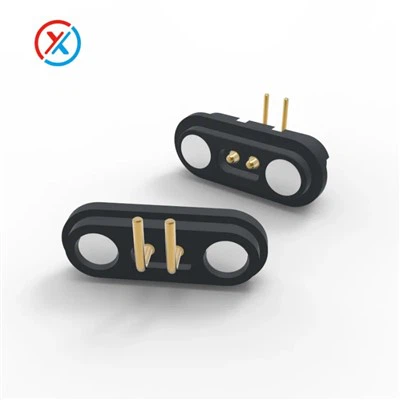
Yo, folks! I'm an industry insider in the world of pogo pin connectors, running a pogo pin connector supply business. Today, I wanna chat about how the spring design of pogo pin connectors affects performance. It might sound like a technical deep - dive, but I'll break it down in a way that's easy to understand.
First off, let's get the basics straight. A pogo pin connector is a type of electrical connector that uses spring - loaded pins to establish an electrical connection. These pins are super handy in various electronic devices, from smartphones to industrial equipment. And at the heart of these connectors is the spring, which plays a crucial role in how well they work.
Spring Material and Its Impact
The material of the spring in a pogo pin connector is like the foundation of a building. Different materials have different properties, and these properties directly influence the performance of the connector.
Most commonly, we see springs made from materials like stainless steel and music wire. Stainless steel springs are known for their corrosion resistance. In environments where the connector is exposed to moisture or chemicals, a stainless steel spring is a great choice. It ensures that the spring doesn't rust or corrode over time, which could otherwise lead to a poor electrical connection. For example, in outdoor electronic devices or medical equipment that might be cleaned with disinfectants, stainless steel springs keep the pogo pin connectors in top shape.
On the other hand, music wire springs are favored for their high strength and good elasticity. They can withstand a large number of compression and extension cycles without losing their shape. This is crucial in applications where the pogo pin connector is used frequently, like in test fixtures. Every time a device is tested, the pogo pin connector is engaged and disengaged. A music wire spring can handle this repeated stress, ensuring consistent performance over the long haul. Check out Spring Loaded Pins Electronics for more details on the different types of springs used in pogo pin connectors.
Spring Coil Design
The way the spring is coiled also has a huge impact on the performance of pogo pin connectors. There are two main types of coil designs: the cylindrical coil and the conical coil.
Cylindrical coils are the more traditional design. They have a uniform diameter along the length of the spring. These springs provide a relatively constant force throughout the compression process. This is great for applications where a stable and predictable contact force is required. For instance, in a battery connector, a cylindrical - coiled spring ensures that the electrical connection between the battery and the device remains stable, preventing power interruptions.
Conical coils, on the other hand, have a tapered shape. The force they exert changes as they are compressed. This design is useful in situations where a variable contact force is needed. For example, in some high - speed data transmission connectors, a conical - coiled spring can provide a stronger contact force at the initial stage of connection to ensure a quick and reliable connection, and then a more moderate force during normal operation to avoid excessive wear on the contacts. You can find more about these specialized designs on Pogo Pin Connector Halogen Free And Lead Free.
Spring Rate and Contact Resistance
The spring rate, which is the amount of force required to compress the spring by a certain distance, is another critical factor. A higher spring rate means that more force is needed to compress the spring.
When it comes to contact resistance, a proper spring rate is essential. If the spring rate is too low, the contact force between the pogo pin and the mating surface might not be enough. This can lead to high contact resistance, which in turn causes power losses, heat generation, and signal degradation. Imagine a scenario where a pogo pin connector is used to transfer data between two devices. High contact resistance could result in data errors or slow transfer speeds.
Conversely, if the spring rate is too high, it can cause excessive wear on the mating surfaces. The pogo pin might damage the surface it contacts, leading to premature failure of the connector. Striking the right balance in the spring rate is key to achieving low contact resistance and long - term reliability. More on the relationship between spring rate and electrical performance can be found on Spring Loaded Electrical Contacts.
Fatigue Life and Spring Design
The fatigue life of a pogo pin connector, which is the number of times it can be used before it fails, is closely related to the spring design. Springs that are well - designed can withstand a large number of compression and extension cycles without breaking or losing their elasticity.
Factors like the material, the coil design, and the stress distribution within the spring all affect its fatigue life. For example, a spring with a smooth surface finish and a well - optimized coil shape will have less stress concentration points. This means that it can handle repeated use better than a spring with rough surfaces or irregular coil shapes.
In applications where the pogo pin connector is used frequently, such as in docking stations or charging ports, a long fatigue life is crucial. No one wants their device to stop working because the pogo pin connector has worn out after just a few uses. By carefully selecting the spring material and design, we can ensure that our pogo pin connectors have a long and reliable service life.
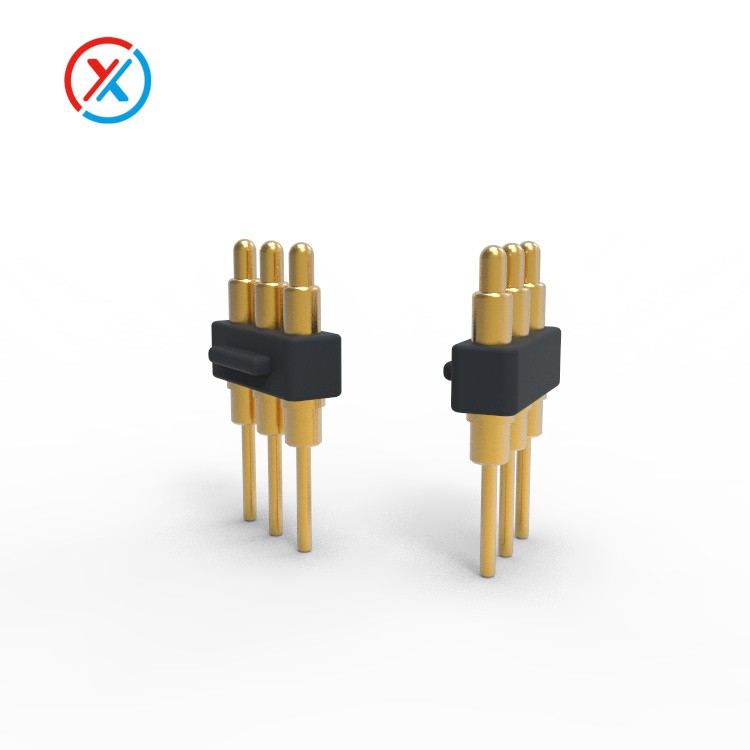

Impact on Miniaturization
In today's world of electronics, miniaturization is the name of the game. Everyone wants smaller and more compact devices, and pogo pin connectors are no exception. The spring design plays a vital role in enabling the miniaturization of these connectors.
A well - designed spring can be made smaller without sacrificing performance. For example, by using advanced materials and precision manufacturing techniques, we can create springs that have a high spring rate in a small package. This allows us to make pogo pin connectors that are smaller in size but still provide a strong and reliable electrical connection.
Miniaturized pogo pin connectors are in high demand in applications like wearables, smart cards, and small - form - factor electronic devices. They help to save space and make the overall design of the device more sleek and efficient.
Wrapping It Up and Reaching Out
So, as you can see, the spring design of pogo pin connectors has a far - reaching impact on their performance. From the material and coil design to the spring rate and fatigue life, every aspect of the spring affects how well the connector works.
If you're in the market for high - quality pogo pin connectors, we've got you covered. Our team of experts is always ready to help you find the perfect connector for your specific needs. Whether you need a connector for a consumer electronics device or an industrial application, we can provide customized solutions based on the right spring design.
Don't hesitate to reach out to us for more information or to start a procurement conversation. We're committed to providing the best products and service in the industry.
References
- "Connectors and Interconnects Handbook"
- "Electrical Contact Technology: Fundamentals and Applications"