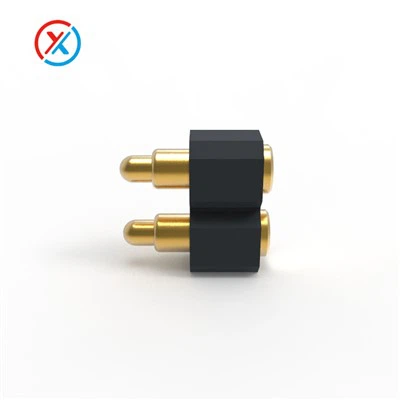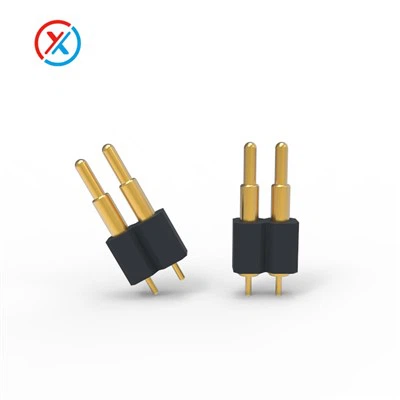
Hey there, folks! As a supplier of pogo PCBs, I'm stoked to share with you the common applications of these nifty little components. Pogo PCBs, for those who might not know, are printed circuit boards that use pogo pins for electrical connections. These pins are spring-loaded and provide a reliable and flexible way to connect different parts of an electronic device. So, let's dive into where you'll often find pogo PCBs in action.
Consumer Electronics
In the world of consumer electronics, pogo PCBs are everywhere. Smartphones are a prime example. When you charge your phone using a wireless charging pad, pogo pins are often involved. These pins make contact with the charging coils in the phone, allowing for efficient power transfer. It's a convenient and reliable way to keep your device juiced up without the hassle of plugging and unplugging a cable all the time.
Tablets also benefit from pogo PCBs. Many tablets come with detachable keyboards. The connection between the tablet and the keyboard is often made using pogo pins. This allows for a seamless transfer of data between the two devices, making typing on your tablet just as easy as using a traditional keyboard.


Another area in consumer electronics where pogo PCBs shine is in gaming controllers. Whether it's a PlayStation, Xbox, or a Nintendo Switch controller, these pins are used to connect different components within the controller. They ensure that the buttons, joysticks, and other input devices work smoothly and accurately. For example, when you press a button on your controller, the pogo pins transmit the electrical signal to the main circuit board, which then sends the corresponding command to your gaming console.
Medical Devices
The medical industry also relies heavily on pogo PCBs. In devices like blood glucose meters, pogo pins are used to connect the test strip to the meter. This connection is crucial for accurate readings. The pins ensure that the electrical signals from the test strip are properly transmitted to the meter's circuit board, where they are analyzed to determine the blood glucose level.
Portable electrocardiogram (ECG) monitors are another example. These devices are used to record the electrical activity of the heart. Pogo PCBs are used to connect the electrodes to the monitor. The pins provide a stable and reliable connection, which is essential for accurate ECG readings. This is especially important for patients who need to monitor their heart health at home.
Automotive Industry
In the automotive world, pogo PCBs have a variety of applications. One of the most common uses is in diagnostic equipment. Mechanics use diagnostic tools to check the health of a vehicle's engine, transmission, and other systems. Pogo pins are used to connect these tools to the vehicle's onboard diagnostic (OBD) port. This allows the mechanic to quickly and easily access the vehicle's diagnostic information, making it easier to identify and fix problems.
Another area where pogo PCBs are used in cars is in infotainment systems. These systems include features like touchscreens, radios, and navigation. Pogo pins are used to connect different components within the infotainment system, ensuring that they work together seamlessly. For example, when you touch the screen to change the radio station, the pogo pins transmit the signal from the touchscreen to the radio receiver, making the change happen.
Aerospace and Defense
Aerospace and defense applications demand high reliability and performance, and pogo PCBs fit the bill. In satellite communication systems, pogo pins are used to connect different modules within the satellite. These pins can withstand the harsh environmental conditions of space, including extreme temperatures and radiation. They ensure that the satellite can communicate effectively with ground stations and other satellites.
Military equipment also uses pogo PCBs. For example, in portable communication devices used by soldiers in the field, pogo pins are used to connect different parts of the device. These pins provide a reliable connection even in rough and bumpy conditions, ensuring that soldiers can communicate effectively with each other.
Testing and Validation
In the electronics manufacturing process, pogo PCBs play a crucial role in testing and validation. When a new electronic device is being developed, it needs to be thoroughly tested to ensure that it works correctly. Pogo pins are used in test fixtures to make electrical connections to the device under test (DUT). This allows engineers to apply different electrical signals to the DUT and measure its response. For example, they can test the device's power consumption, signal integrity, and functionality.
Pogo PCBs are also used in burn-in testing. This is a process where electronic devices are subjected to high temperatures and voltages for an extended period of time to identify any early failures. Pogo pins are used to connect the DUT to the test equipment during this process. They provide a stable and reliable connection, even under the stressful conditions of burn-in testing.
Types of Pogo Pins
There are several types of pogo pins that are commonly used in pogo PCBs. Pogo Contact Pins 1A Current are designed to handle a current of up to 1 ampere. These pins are often used in applications where a moderate amount of power needs to be transferred, such as in charging circuits.
SMD Pogo Pins are surface mount device pins. They are designed to be soldered directly onto the surface of a PCB. These pins are popular because they are easy to install and can save space on the PCB.
Pogo Pin Manufacturers produce a wide range of pins, including Spring Pogo Pin. These pins have a spring mechanism that allows them to compress and make contact with the mating surface. This spring action ensures a good electrical connection even if there is a slight misalignment between the pins and the mating surface.
Pin Pogo is another type of pogo pin. These pins come in different shapes and sizes and can be customized to meet the specific requirements of an application.
Why Choose Our Pogo PCBs?
As a supplier of pogo PCBs, we take pride in offering high-quality products. Our pogo PCBs are made using the latest manufacturing techniques and the best materials. We ensure that our pins have a long lifespan and can withstand the rigors of the applications they are used in.
We also offer a wide range of customization options. Whether you need a specific type of pogo pin, a particular layout for your PCB, or a custom coating for your pins, we can work with you to meet your needs. Our team of experienced engineers is always ready to help you design the perfect pogo PCB for your application.
If you're in the market for pogo PCBs, whether for consumer electronics, medical devices, automotive, aerospace, or testing applications, we'd love to hear from you. Contact us to start a discussion about your requirements and let's work together to find the best solution for your project.
References
- “Introduction to Pogo Pins in Electronics,” Electronics Today Magazine.
- “Medical Device Technology: The Role of Pogo PCBs,” Medical Innovations Journal.
- “Automotive Electronics Trends,” Automotive Engineering Review.
- “Aerospace and Defense Electronics Applications,” Defense Technology Report.