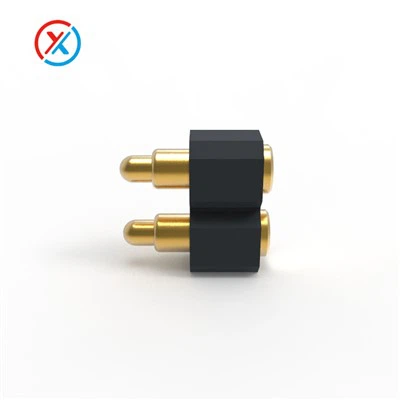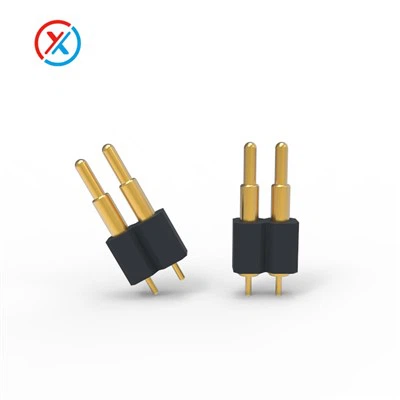
As a seasoned pogo pins manufacturer, I'm often asked about the quality control system that underpins our production. In this blog post, I'll delve into the intricacies of our quality control framework, explaining how it ensures that every Pogopins we produce meets the highest standards.
Understanding Pogo Pins
Before we explore the quality control system, let's briefly understand what pogo pins are. Pogo pins are spring-loaded pins used in a wide range of electronic applications, including smartphones, wearables, and test fixtures. Their design allows for reliable electrical connections, making them a crucial component in modern electronics. We offer various types of pogo pins, such as Double Sided Pogo Pins and Spring Pogo Pins, each tailored to specific requirements.
Raw Material Inspection
The quality control process begins with the inspection of raw materials. We source our materials from trusted suppliers who adhere to strict quality standards. When the raw materials arrive at our facility, our quality control team conducts a thorough inspection. They check for material composition, dimensions, and surface finish. For example, the metal used in pogo pins must have the right conductivity and corrosion resistance. Any materials that do not meet our specifications are rejected, ensuring that only the highest quality materials are used in production.
In - Process Quality Control
During the manufacturing process, we implement multiple quality control checkpoints. Our production lines are equipped with advanced monitoring systems that continuously track key parameters such as temperature, pressure, and speed. These systems help us detect any deviations from the standard manufacturing process in real - time.
For instance, when forming the spring inside the pogo pin, the tension and pitch of the spring are critical factors. Our technicians regularly measure these parameters using precision instruments. If the measurements are outside the acceptable range, the production process is immediately halted, and adjustments are made. This in - process quality control helps us prevent the production of defective products and ensures consistency in our output.
Dimensional Inspection
Dimensional accuracy is of utmost importance for pogo pins. Even a slight deviation in dimensions can lead to poor electrical connections or compatibility issues with the end - product. We use a variety of measurement tools, including micrometers, calipers, and coordinate measuring machines (CMMs).
Each pogo pin is inspected for its length, diameter, and other critical dimensions. The CMMs, in particular, are capable of highly accurate 3D measurements, allowing us to detect any minute variations. Our quality control team compares the measured dimensions with the design specifications. If a pogo pin fails to meet the dimensional requirements, it is either reworked or discarded.
Electrical Performance Testing
Since pogo pins are used for electrical connections, their electrical performance is a key aspect of quality control. We conduct a series of electrical tests to ensure that each pin meets the required electrical specifications.
One of the primary tests is the contact resistance test. We measure the resistance between the two ends of the pogo pin using a precision multimeter. Low contact resistance is essential for efficient power transfer and signal transmission. Any pogo pin with a contact resistance outside the acceptable range is considered defective.
We also perform insulation resistance tests to ensure that the pin does not have any electrical leakage. This is crucial for preventing short - circuits and ensuring the safety and reliability of the end - product.
Mechanical Performance Testing
In addition to electrical performance, the mechanical performance of pogo pins is also critical. Pogo pins are often subjected to repeated insertion and removal cycles, so they need to have good durability and resilience.
We conduct a cyclic testing procedure where the pogo pins are inserted and removed a specified number of times at a controlled force and speed. After the cyclic test, we inspect the pins for any signs of wear, deformation, or damage. If a pin fails to withstand the specified number of cycles, it indicates a potential issue with its mechanical design or material quality, and it is removed from the production line.
Environmental Testing
To ensure that our pogo pins can perform reliably in different environments, we conduct environmental testing. This includes temperature and humidity testing, as well as salt spray testing for corrosion resistance.
In the temperature and humidity testing, the pogo pins are placed in environmental chambers where the temperature and humidity levels are precisely controlled. The pins are exposed to extreme temperature and humidity conditions for a specified period. After the test, we check for any changes in the electrical and mechanical properties of the pins.
The salt spray test involves exposing the pogo pins to a salt - water mist for a set time. This simulates a corrosive environment, and it helps us evaluate the corrosion resistance of the pins. Pins that show signs of corrosion during the test are rejected.
Final Inspection and Packaging
Before the pogo pins are shipped to our customers, they undergo a final inspection. Our quality control team randomly selects a sample from each batch of finished products and performs a comprehensive check of all the quality parameters, including dimensional, electrical, mechanical, and environmental performance.
Once the pogo pins pass the final inspection, they are carefully packaged to prevent any damage during transportation. We use protective materials and suitable packaging designs to ensure that the pins arrive at our customers' facilities in perfect condition.
Continuous Improvement
Our quality control system is not static. We are committed to continuous improvement, and we regularly review and update our quality control processes. We collect feedback from our customers and analyze production data to identify areas for improvement.
For example, if we receive feedback about a particular type of pogo pin having a higher failure rate in a specific application, we conduct in - depth research to understand the root cause. We then make the necessary adjustments to our manufacturing process, raw material selection, or testing procedures to address the issue.
Conclusion
In conclusion, our quality control system is a comprehensive and multi - stage process that ensures the high quality of our Pogopins, Double Sided Pogo Pins, and High Current Pogo Pin. From raw material inspection to final packaging, every step is carefully monitored and controlled to meet the strictest quality standards.
If you are in the market for high - quality pogo pins, we invite you to contact us for procurement discussions. We are confident that our products and quality control system will meet your expectations and contribute to the success of your electronic projects.


References
- "Quality Control in Manufacturing", Industrial Engineering Handbook, 4th Edition
- "Electrical Contact Materials and Their Applications", CRC Press
- "Mechanical Design and Testing of Precision Components", ASME Publications