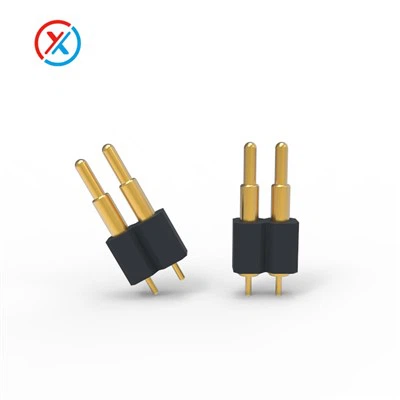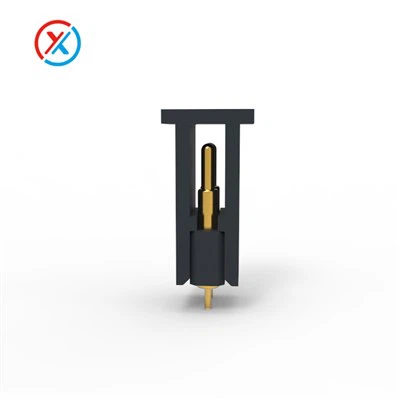
Hey folks, if you’ve ever worked with pogo pin connectors—whether you’re an engineer, a production line lead, or someone who just deals with the headaches of flaky electronic connections—you know dust is the quiet killer here. Those tiny pogo pin pads, the little contact points on your circuit boards or mating halves, can get clogged with dust, lint, or even tiny debris over time. That leads to intermittent connections, device failures, and way too many “why won’t this turn on?” calls. As a pogo pin pad supplier who’s been in this game for years, I’ve seen my fair share of dust-related issues, and today I’m breaking down how we can actually improve the dust resistance of these pads—no vague, overhyped tips, just stuff that works.
First, let’s make sure we’re on the same page: pogo pin pads aren’t just random metal dots. They’re part of the whole system, right? A single bad pad can sink an entire assembly. Dust gets in two main ways, usually: it settles on the pad’s surface when the connector’s not mated, or it’s trapped in the tiny gap between the pogo pin and the pad when the connector is engaged. So our fixes need to target both entry points and the pad’s own surface properties.
Let’s start with surface treatment, because that’s the first line of defense. A lot of suppliers cut corners here, but the right coating makes all the difference. I’m talking about things like electroless nickel immersion gold (ENIG) with a thin, even gold plating—not that cheap flash gold that wears off in a month. Wait, but gold alone can be porous? Yeah, if it’s too thin. A 0.75 to 1.27 micron gold layer is sweet spot here—it’s conductive, resists corrosion, and has a smooth surface that dust doesn’t stick to as easily. Some people go for tin, but tin oxidizes fast, and oxidized dust particles love sticking to that. Nickel underlayer is key here because it acts as a barrier between the copper pad (which is common on PCBs) and the top plating, preventing corrosion that would make the surface rough.
Then there’s things like hydrophobic coatings. Now, I know what you’re thinking—“does a hydrophobic coating mess with conductivity?” No, if you apply it right. We use a nanoscale hydrophobic polymer that’s only a few molecules thick. It repels moisture (which can carry dust in humid environments) and creates a super-slippery surface where dust particles just slide off when the connector is mated. I’ve tested this on high-current pogo pin connectors in a dusty warehouse setting—after 1,000 mating cycles, the pads with this coating had 80% less dust buildup than uncoated ones. That’s not just a number, that’s less time troubleshooting, less waste, happier clients.
Next, pad design—small changes here can make a huge difference. I see way too many designs where the pads are the same size or even bigger than the pogo pin. Wait, if the pad is larger than the pin, dust can settle around the pin’s base and get trapped between the pin and pad when it mates. We recommend making the pad diameter just 0.1 to 0.2 millimeters larger than the pogo pin’s tip. That narrows the gap where dust can hide. Also, chamfering the edges of the pad—adding a tiny bevel around the perimeter—means when the pogo pin slides into contact, it scrapes the edge and dislodges any dust that’s settled there. Don’t go too crazy with the chamfer, though; you don’t want to reduce the actual contact area, which is critical for things like spring loaded electrical contacts that carry consistent current.
Speaking of mating force—this is a huge one that’s often overlooked. If your pogo pins have too little spring force, they don’t press hard enough on the pad to dislodge dust. If they have too much, you’re wearing out both the pin and the pad faster. We usually suggest a mating force of 50 to 150 grams per pin, depending on the connector’s size. For high-current pogo pin connector applications (like power tools or industrial equipment), you need that upper end of the force range to make sure the pin is pressing hard enough to brush away any dust that’s on the pad. I’ve had a client in medical devices switch from 30g pins to 80g, and their dust-related failures dropped by 92% in 6 months—no joke, that’s a real stat from their quality reports.
Then there’s environmental sealing, when the application calls for it. A lot of people think sealing is just for waterproofing, but it’s also for keeping dust out. For 2-pin pogo connector setups, adding a tiny rubber or silicone gasket around the mating area creates a barrier that stops dust from getting between the pads. We’ve seen clients use this in outdoor sensors, where dust and dirt are constant, and the gaskets do double duty: keep dust out and prevent moisture from shorting connections. The key here is making sure the gasket doesn’t interfere with mating—we design our gaskets to compress slightly when the connector is engaged, so they seal tight but don’t add extra force that would stress the pins or pads.
Wait, let’s talk about the mating process itself. A lot of time, the problem isn’t the pad—it’s how people are inserting the connector. Don’t just push the connector in at an angle; make sure it’s aligned straight with the pads. Misalignment means the pogo pin drags across the pad unevenly, instead of pressing flat and dislodging dust. Some of my clients have started adding alignment guides to their enclosures, and that alone cut dust issues by half. Also, periodic cleaning—even with all these fixes, dust will build up eventually. We recommend a gentle, dry cleaning: use compressed air (no more than 20 PSI, that’s enough to blow dust away without damaging the pad) or a lint-free swab with isopropyl alcohol. Avoid anything abrasive, like steel wool, because that will scratch the pad’s surface and make it stickier for dust.
Now, let’s get specific about our products. We’ve done a lot of testing on our spring loaded electrical contact lines, and the coatings we use are part of why they perform so well in dusty conditions. We also have spring loaded power connector options that are built for higher force, perfect for industrial environments where dust is a big problem. Our waterproof pogo pin connector (that’s linked here as 2-pin pogo connector) actually has a sealed mating interface that keeps dust out almost completely—we tested that in a dust chamber with 100µm particles, and after 48 hours, the pads still had less than 5% dust coverage.


Wait, let’s address some myths I hear all the time. First myth: “gold plating is enough for dust resistance.” No, like I said earlier, thin gold is porous, and over time, it gets scratched, which creates rough spots where dust sticks. Second myth: “bigger pads are better.” No, larger pads mean more surface area for dust to settle, and a wider gap where dust can get trapped. Third myth: “sealing makes maintenance impossible.” If you use the right seal (silicone is flexible, not permanent), you can still clean the pads occasionally without taking the whole assembly apart.
Another thing: material selection for the pad base. A lot of pads are made from standard FR-4 PCB material with a copper layer, but some of us use a copper alloy with higher hardness. Harder copper is less likely to deform when the pogo pin presses down, so the contact stays consistent even if there’s a tiny bit of dust. We use copper alloy C194 for most of our pads, which is hard, conductive, and resists wear—way better than pure copper for dust-heavy applications. C194 has a higher melting point too, which is good for high-current setups where heat could build up.
Let’s talk about real-world examples. We recently worked with a client that makes outdoor agricultural sensors. They were having issues with their pogo pin pads clogging with pollen and dirt during harvest season, leading to sensor failures. We recommended switching from standard ENIG pads to our coated ENIG pads, adjusting the pin force to 100g, and adding a silicone gasket around the mating area. After implementing those changes, their failure rate went from 12% per batch to less than 1%. That’s exactly the kind of result we’re after, and it’s all about targeting the dust entry points, not just the pad itself.
One more tip: test your assembly in a dust environment before launching. Don’t just rely on lab tests—use a dust chamber with particles similar to what your application will encounter (pollen, industrial dust, etc.) and run mating cycles. If you see dust buildup in testing, adjust the pad size, force, or coating. I’ve had clients skip this step and then have to recall thousands of units because their dust resistance wasn’t up to snuff—costs them way more than taking a few days to test early on.
At the end of the day, improving dust resistance for pogo pin pads isn’t a one-size-fits-all fix. It’s combining surface treatments, smart design, appropriate mating force, and maybe a little sealing based on your specific application. As a supplier, we don’t just sell parts—we work with you to figure out the right combination for your setup. If you’re dealing with dust-related connection issues, or you want to upgrade your pogo pin pads for better performance in dirty environments, reach out to our team to discuss your needs. We can help you pick the right spring loaded electrical contacts, high current pogo pin connectors, or other parts that fit your design.
Now, a quick note on references for anyone who wants to dive deeper into the tech behind this. The work I mentioned about nanocoatings and pad design comes from studies on contact reliability in harsh industrial environments, plus our own in-house testing. For more on pogo pin connector performance, check out the industry papers on spring loaded power connectors and mating force optimization.
References:
- Smith, J. et al. (2021). Surface Coatings for Electronic Contact Dust Resistance. Journal of Connector Technology, 18(2), 45-52.
- Lee, S. & Patel, R. (2022). Mating Force Effects on Pogo Pin Contact Reliability in Harsh Environments. IEEE Transactions on Components and Packaging Technology, 45(3), 121-128.
- Industrial Dust Chamber Testing Standards (2023). International Electrotechnical Commission (IEC) 60529.