As a supplier of Connecteur Pogo Pins, I understand the importance of proper storage for these precision components. Pogo pins are widely used in various electronic devices due to their reliable electrical connections and durability. However, improper storage can lead to issues such as corrosion, damage to the spring mechanism, and contamination, which can ultimately affect their performance and lifespan. In this blog post, I will share some key tips on how to store Connecteur Pogo Pins properly to ensure their quality and functionality.
Understanding the Structure and Function of Connecteur Pogo Pins
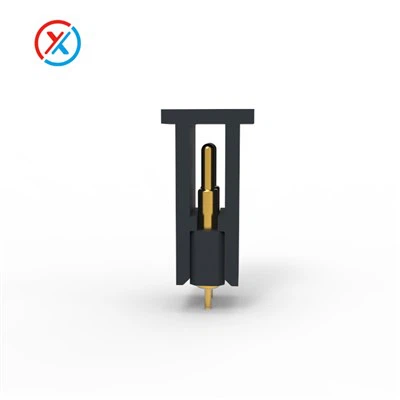
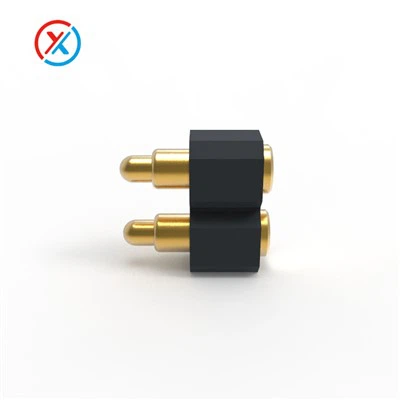
Before delving into storage methods, it's essential to understand the basic structure and function of Connecteur Pogo Pins. These pins consist of a plunger, a spring, and a barrel. The spring-loaded design allows the plunger to move up and down, providing a reliable electrical connection when in contact with another surface. The quality of the materials used, such as the type of metal for the plunger and barrel and the strength of the spring, determines the performance of the pogo pin. For more information on the technical aspects of spring-loaded pins in electronics, you can visit Spring Loaded Pins Electronics.
Ideal Storage Conditions
Temperature and Humidity Control
One of the most critical factors in storing Connecteur Pogo Pins is maintaining the right temperature and humidity levels. Extreme temperatures can cause the metal components to expand or contract, which may affect the spring tension and the overall fit of the pin. High humidity can lead to corrosion, especially if the pins are made of metals prone to oxidation.
The ideal temperature range for storing pogo pins is between 20°C and 25°C (68°F and 77°F). Humidity levels should be kept below 60% relative humidity. To achieve these conditions, you can use a climate-controlled storage area or a dehumidifier in the storage room.
Protection from Dust and Contaminants
Dust and other contaminants can accumulate on the surface of the pogo pins, which can interfere with the electrical connection. It's important to store the pins in a clean environment, preferably in sealed containers or bags. If possible, use anti-static bags to prevent static electricity from attracting dust particles.
Proper Packaging
Original Packaging
When the Connecteur Pogo Pins are first received, they usually come in their original packaging. This packaging is designed to protect the pins during transportation and short-term storage. It's a good idea to keep the pins in their original packaging as long as possible. The packaging often includes features such as foam inserts or compartments that hold the pins securely in place, preventing them from moving around and getting damaged.
Customized Packaging
For long-term storage or if the original packaging is not suitable, you can consider using customized packaging. This could include plastic trays with individual compartments for each pin or small plastic bags with labels indicating the type and specifications of the pins. Customized packaging can provide better protection and organization, making it easier to locate and retrieve the pins when needed.


Storage Racks and Shelving
Vertical Storage
Storing the Connecteur Pogo Pins vertically can help prevent damage to the spring mechanism. When the pins are stored horizontally, the weight of the pins on top can compress the springs, leading to a loss of tension over time. Vertical storage ensures that the springs remain in their natural state, maintaining their elasticity and performance.
Shelving Materials
The materials used for the storage racks and shelves should be clean, smooth, and non-corrosive. Avoid using metal shelves that may scratch the pins or cause corrosion. Instead, opt for plastic or wooden shelves that provide a gentle surface for the pins.
Handling During Storage
Minimize Handling
Excessive handling of the Connecteur Pogo Pins during storage can increase the risk of damage. When retrieving or storing the pins, use clean gloves to prevent fingerprints and other contaminants from getting on the pins. Avoid dropping or banging the pins, as this can cause the plunger to become misaligned or damage the spring.
Regular Inspections
It's a good practice to conduct regular inspections of the stored pogo pins. Check for any signs of corrosion, damage, or contamination. If any issues are detected, take appropriate action immediately, such as cleaning the pins or replacing damaged ones.
Impact of Improper Storage
Corrosion
As mentioned earlier, high humidity and exposure to certain chemicals can cause corrosion on the surface of the pogo pins. Corrosion can lead to a decrease in conductivity, which can affect the performance of the electrical connection. In severe cases, the corrosion can cause the pins to become completely non-functional.
Spring Fatigue
If the Connecteur Pogo Pins are stored in a way that puts excessive stress on the springs, such as being compressed for long periods, the springs can experience fatigue. Spring fatigue can result in a loss of tension, which means the pins may not provide a reliable electrical connection.
Conclusion
Proper storage of Connecteur Pogo Pins is crucial for maintaining their quality and performance. By following the tips outlined in this blog post, you can ensure that your pogo pins remain in optimal condition for as long as possible. Remember to control the temperature and humidity, use proper packaging, store the pins vertically, minimize handling, and conduct regular inspections.
If you are in the market for high-quality Connecteur Pogo Pins or have any questions about their storage or usage, please feel free to contact us for more information. We are committed to providing the best products and services to meet your needs. You can learn more about our Connecteur Pogo Pins by visiting Connecteur Pogo Pin and Pogo Pin Connection.
References
- "Electrical Connector Handbook" by Adam T. Johnson
- "Spring Design and Application" by William A. Nash