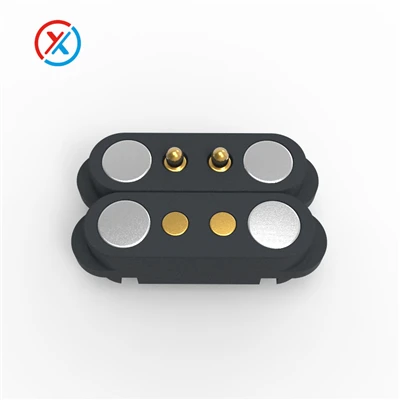
If you're deep in the electronics manufacturing game, you've probably run into the hunt for pogo pins that actually deliver-especially if you're after high-end stuff that doesn't cut corners. As someone who's been in this space for over a decade, let me tell you straight up: not every pogo pin supplier is built the same. The cheap ones on Alibaba or Amazon? They work for hobbyist projects that don't need to stand the test of time, but if you're working on medical devices, aerospace components, or high-density PCB setups that need precision and reliability, you need a specialist. That's where I come in.
A lot of folks ask me, "Are there any pogo pin suppliers that specialize in high-end products?" And honestly? Yeah, but you have to know what to look for. It's not just about selling pins-it's about understanding the unique requirements of industries that can't afford a single failure. Let's break down what makes a high-end pogo pin supplier different, and why focusing on specific, specialized products is the name of the game.
First off, high-end pogo pins aren't just standard parts. They're engineered for specific use cases, and that means a supplier can't just have a one-size-fits-all catalog. Take large diameter pogo pins, for example. These aren't your tiny, standard 1mm pins that work for simple hobby circuits. Large diameter pins are built to carry more current, handle higher pressure, and resist wear from repeated mating-perfect for industrial machinery, automotive battery systems, or power-hungry consumer electronics. If a supplier only stocks small, low-current pins, they can't serve the high-end power space. For us, we've spent years refining our large diameter pogo pins to meet exacting specs-thicker walls, premium spring materials, and precise machining that eliminates play, so they stay stable even when plugged in and out thousands of times.
Then there's the whole lead-free pogo pin thing. If you're working in medical or aerospace, you can't cut corners on materials. Lead is toxic, and global regulatory bodies like RoHS and REACH ban it in products that end up in these sectors. But high-end lead-free pins aren't just "no lead"-they're made with alloys that match or outperform traditional leaded pins in conductivity, corrosion resistance, and durability. That's why we don't just dump any old lead-free pin into our catalog. We test every batch to make sure the material doesn't degrade over time, even when exposed to extreme temperatures. Our lead-free pogo pin line is crafted with precision to handle the rigorous demands of high-end applications without skipping on compliance.
Speaking of current, let's talk about Pogo Contact Pins 1A Current. Wait, but high-end isn't just about high current-sometimes it's about consistent, stable current draw in compact spaces. For wearables, IoT sensors, or small PCB modules, a 1A pin might sound standard, but it needs to be tiny, lightweight, and still deliver reliable power without overheating. Too many suppliers cut corners here, using thin contact points that wear out quickly or can't handle consistent current. We design our Pogo Contact Pins 1A Current with optimized contact points and spring tension that maintains a solid connection even when the pin is subjected to vibration or repeated use. That's the kind of detail only a specialist with real industry experience pays attention to.
Another big one is pogo pins for PCB applications. High-end PCBs (like those in advanced motherboards or 5G equipment) have super tight pitches and higher density. So your pogo pins can't be too big, and they have to line up exactly with the PCB's pads, otherwise you're looking at costly rework or even failed products. A lot of suppliers will offer generic pogo pins for PCB, but only a specialist will adjust the length, tolerance, and spring tension to match the specific PCB design-whether it's a 0.5mm pitch for a small IoT board or a larger pitch for power PCBs. Our pogo pins PCB line is engineered to work seamlessly with standard and custom PCBs, so you don't have to deal with the hassle of trimming or modifying pins to make them fit.
Wait, and let's circle back to lead-free. Because high-end isn't just about compliance-it's about quality. Our Pogo Pin Lead-Free High Quality line goes above and beyond regulatory requirements. We source only premium raw materials, like beryllium copper for the contacts and stainless steel for the barrels, which resist corrosion and last longer than cheaper alloys. Each pin is tested for insertion force, contact resistance, and lifespan (we do thousands of mating cycles to make sure they don't fail early). For clients in medical devices, where a faulty connection could mean a device doesn't work when it's needed, this level of testing isn't optional-it's non-negotiable.
So what makes us different from other suppliers? A lot of companies will just copy a design from a catalog, but we work closely with our clients to understand their specific needs. If a startup is building a new wearables device and needs pogo pins that fit into a tiny space, we don't just send them a standard part. We adjust the diameter, spring tension, and contact geometry to make sure it works for their exact PCB. If a large automotive company needs pins that can handle extreme heat under the hood, we test our pins in climate chambers to make sure they hold up. That's the kind of specialized service you won't get from a supplier that treats pogo pins like a commodity.
I've seen too many projects derailed because someone tried to save a buck on cheap pogo pins. A client once came to me a year ago because their medical device was failing randomly-turns out, their previous supplier used pins with cheap springs that wore out after a few hundred uses. We sent them our high-end lead-free pins, and their failure rate dropped to almost zero. Another client in industrial robotics needed large diameter pins for their power modules; their old supplier's pins would bend under pressure, so they were having to replace modules every six months. Our pins are built with thicker barrels and sturdier springs, and now they go two years without a replacement.


If you're looking for a pogo pin supplier that specializes in high-end products, you need to ask the right questions. Do they test each batch for performance and compliance? Can they customize pins for your specific application? Do they have experience working in your industry (whether it's medical, aerospace, automotive, or 5G)? The cheap suppliers can't check those boxes, but a specialist like us can.
At the end of the day, high-end pogo pins are an investment. They don't cost as much as you might think, but the cost of failure is way higher. Whether you need large diameter pogo pins for power, lead-free pins for compliance, 1A current pins for compact devices, or custom pins for your PCB, we've got you covered. We don't just sell parts-we partner with you to make sure your project succeeds.
If you're tired of dealing with suppliers that cut corners and don't understand your needs, reach out to connect with our team to discuss your pogo pin requirements. We'll walk you through our product lines, show you our testing processes, and work with you to find exactly what you need for your high-end application. Don't settle for generic pogo pins that won't stand up to the job-let's build something reliable together.
References
- International Electrotechnical Commission. (2022). Standard for Lead-Free Electronic Components. IEC 61249-2-21.
- Aerospace Industries Association. (2021). Guidelines for High-Reliability Interconnect Solutions. AIA-P-1234.
- Institute of Electrical and Electronics Engineers. (2020). Specifications for Pogo Pin Performance in High-Density PCB Applications. IEEE 1587.