Hey there! I'm a supplier of pogo pins, and today I want to chat about whether pogo pins are compatible with different circuit board materials. It's a question that comes up a lot in our line of work, and it's super important to get it right.
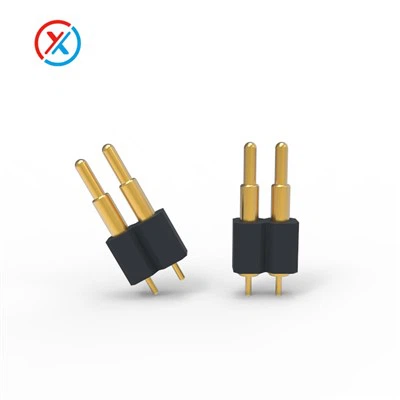
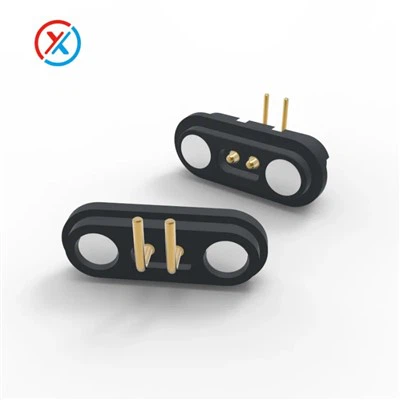
First off, let's talk about what pogo pins are. They're these nifty little spring-loaded pins that are used to make electrical connections between different components on a circuit board. They're really popular because they're reliable, easy to use, and can handle a wide range of currents. You can check out our Spring Contact Pins for more info on the different types we offer.
Now, when it comes to compatibility with circuit board materials, there are a few things to consider. The most common types of circuit board materials are FR-4, ceramic, and flexible materials like polyimide. Each of these materials has its own unique properties, and they can all affect how well pogo pins work.
Let's start with FR-4. It's the most widely used circuit board material, and it's known for its good mechanical and electrical properties. Pogo pins generally work well with FR-4 because it has a smooth surface and a relatively high dielectric constant. This means that the pins can make good contact with the board and transfer electrical signals efficiently. However, it's important to make sure that the pins are properly aligned and that the board is clean and free of debris. Otherwise, you might run into issues with poor contact or short circuits.
Ceramic circuit boards are another option. They're often used in high-temperature applications because they have excellent thermal stability. Pogo pins can also work well with ceramic boards, but they need to be designed to handle the higher temperatures. Some pogo pins are specifically designed for use with ceramic boards, and they have special coatings or materials that can withstand the heat. You can find more information about Pogo Pin Charging on our website, which includes options for different types of circuit board materials.
Flexible circuit boards, such as those made of polyimide, are becoming more and more popular in the electronics industry. They're lightweight, flexible, and can be bent or folded to fit into tight spaces. Pogo pins can be used with flexible boards, but they need to be able to withstand the bending and flexing without losing contact. Some pogo pins are designed with a more flexible tip or a special spring mechanism to accommodate the movement. Our 3A Current Pogo Pins are a great option for use with flexible circuit boards because they can handle the higher currents and the flexing.
In addition to the type of circuit board material, there are other factors that can affect the compatibility of pogo pins. For example, the surface finish of the board can have a big impact on the contact resistance. A smooth, clean surface will generally result in better contact than a rough or dirty surface. The size and shape of the pogo pins also need to be carefully considered. They need to be the right size and shape to fit into the holes or pads on the circuit board.
Another important factor is the current and voltage requirements. Different pogo pins are designed to handle different levels of current and voltage. If you're using a high-current application, you'll need to choose pogo pins that are rated for that level of current. Otherwise, you might run into issues with overheating or damage to the pins.
So, are pogo pins compatible with different circuit board materials? The answer is yes, but it depends on a few factors. As a pogo pin supplier, we have a lot of experience working with different types of circuit board materials, and we can help you choose the right pins for your application. We offer a wide range of pogo pins, including different sizes, shapes, and current ratings. We also have a team of experts who can provide technical support and advice to help you make the best choice.


If you're interested in purchasing pogo pins for your project, we'd love to hear from you. Whether you're working on a small prototype or a large-scale production run, we can provide the pogo pins you need at a competitive price. Just reach out to us and let us know what you're looking for, and we'll do our best to help you.
In conclusion, pogo pins can be compatible with different circuit board materials, but it's important to choose the right pins for your specific application. By considering factors such as the type of circuit board material, the surface finish, the current and voltage requirements, and the size and shape of the pins, you can ensure that you get the best performance and reliability. If you have any questions or need more information, don't hesitate to contact us. We're here to help you find the perfect pogo pins for your project.
References:
- Industry standards and guidelines for pogo pin design and application
- Technical documentation from pogo pin manufacturers
- Research studies on the performance of pogo pins with different circuit board materials