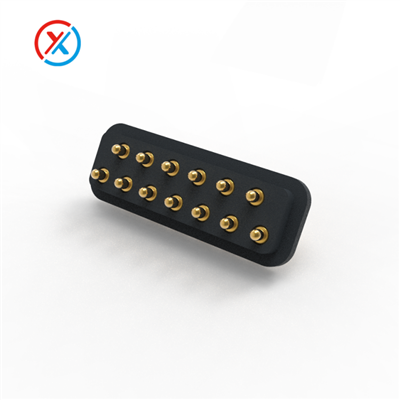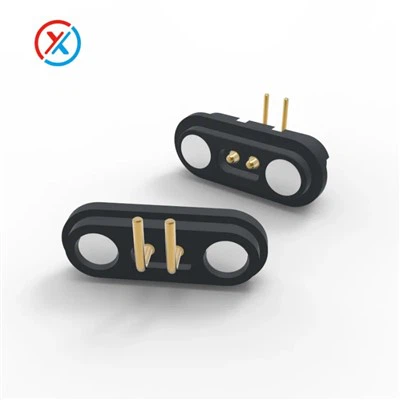
Hey there! As a supplier of USB pogo pins, I've seen firsthand how crucial it is to enhance the anti - interference ability of these little connectors. USB pogo pins are widely used in various electronic devices, from smartphones to laptops, and any interference can lead to data transfer issues, charging problems, and overall poor performance. So, let's dive into how we can make these pogo pins more resistant to interference.
Understanding the Sources of Interference
Before we start talking about solutions, it's important to know where the interference comes from. There are two main types of interference: electromagnetic interference (EMI) and radio - frequency interference (RFI). EMI is caused by the electromagnetic fields generated by electrical devices, while RFI is related to radio waves.
For example, when you have a bunch of electronic devices close to each other, like in a server room or a crowded office, the electromagnetic fields from these devices can interfere with the signals transmitted through the USB pogo pins. Also, radio signals from nearby Wi - Fi routers, cell phones, or other wireless devices can cause RFI.
Design Considerations
One of the first steps in enhancing anti - interference ability is to focus on the design of the USB pogo pins.
Shielding
Shielding is a key factor. We can use materials like copper or aluminum to create a shield around the pogo pins. This shield acts as a barrier, blocking the electromagnetic and radio - frequency waves from reaching the pins. For instance, a well - designed copper shield can effectively reduce EMI and RFI by absorbing and redirecting the interference.
Pin Configuration
The way the pins are arranged also matters. We can use a differential pair configuration. In a differential pair, two wires carry the same signal but with opposite polarities. This setup helps to cancel out any external interference because the interference affects both wires equally, and the difference between the two signals remains the same.
Material Selection
The materials used in the USB pogo pins can have a significant impact on their anti - interference ability.
Conductive Materials
We should choose high - quality conductive materials for the pins. For example, gold - plated pins are a great choice. Gold has excellent conductivity and is resistant to corrosion. This means that the signals can flow smoothly through the pins without being affected by any external factors.
Insulating Materials
The insulating materials around the pins are also important. We need to use materials with high dielectric strength. This ensures that the electrical signals are properly isolated and not affected by any external electrical fields.
Testing and Validation
Once we have designed and manufactured the USB pogo pins, it's essential to test them for anti - interference ability.
Laboratory Testing
We can use specialized equipment in the laboratory to simulate different interference scenarios. For example, we can expose the pogo pins to different levels of EMI and RFI and measure the signal quality. This helps us to identify any weaknesses in the design and make necessary improvements.
Real - World Testing
In addition to laboratory testing, real - world testing is also crucial. We can install the pogo pins in actual electronic devices and test them in different environments. This gives us a better understanding of how the pins perform in real - life situations.
Compatibility with Other Components
USB pogo pins don't work in isolation. They need to be compatible with other components in the electronic device, such as the motherboard, the cable, and the connector.
Cable Selection
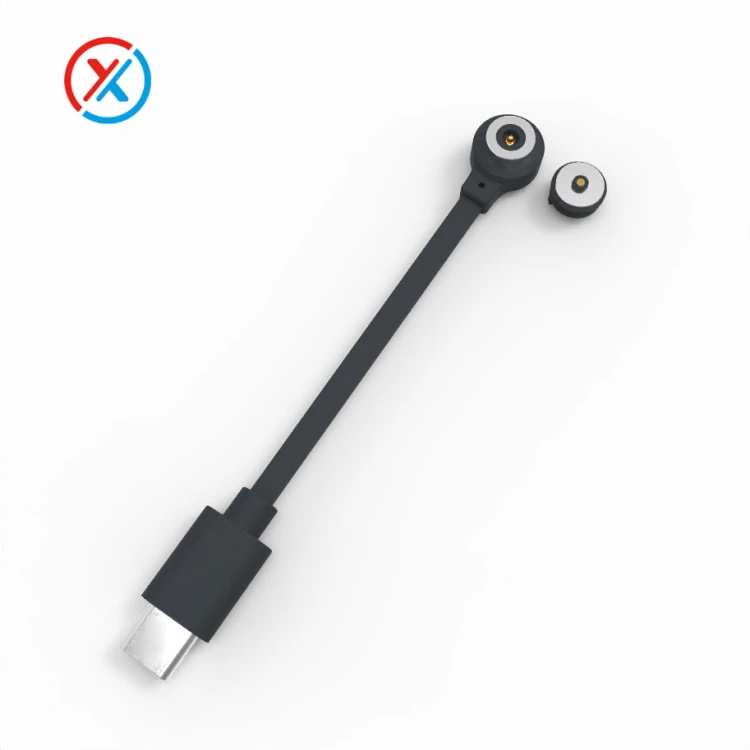
The cable used with the USB pogo pins is an important factor. We should choose cables with proper shielding and impedance matching. For example, a shielded USB cable can help to reduce interference between the pogo pins and the device. You can check out our Round Magnetic Cable Connector for a great option that is designed to work well with USB pogo pins.
Connector Compatibility
The connector at the other end of the cable also needs to be compatible with the pogo pins. We need to ensure that the connector has the right pin configuration and electrical characteristics. Our Magnetic Cable Female and Magnetic Wire Connectors are designed to be highly compatible with our USB pogo pins, providing a reliable connection.
Maintenance and Care
Even after the USB pogo pins are installed in the device, proper maintenance and care can help to maintain their anti - interference ability.
Cleaning
Regular cleaning of the pogo pins can prevent the build - up of dirt and debris, which can cause interference. We can use a soft brush or a cleaning solution specifically designed for electronic components.
Protection
We should also protect the pogo pins from physical damage. For example, using a protective cover can prevent the pins from being bent or damaged, which can affect their performance.
Conclusion
Enhancing the anti - interference ability of USB pogo pins is a multi - faceted process that involves design, material selection, testing, compatibility, and maintenance. By following these steps, we can ensure that our USB pogo pins provide a reliable and interference - free connection for various electronic devices.

If you're interested in purchasing high - quality USB pogo pins with excellent anti - interference ability, don't hesitate to get in touch. We're here to provide you with the best solutions for your electronic device needs.
References
- Smith, J. (2020). "Electromagnetic Interference in Electronic Devices". Electronics Journal.
- Johnson, M. (2019). "Design Considerations for USB Connectors". Connector Technology Magazine.