How many pins does a typical 12v magnetic connector have?
As a reliable supplier of 12V Magnetic Connector, I'm often asked about the pin count of a typical 12V magnetic connector. This is a crucial question because the number of pins in a connector determines its functionality, the amount of power it can transmit, and its compatibility with various devices. In this blog post, I'll delve into the details of pin counts in these magnetic connectors, exploring the most common configurations and their applications.
Fundamental of Magnetic Connectors
Magnetic connectors have revolutionized the way we power and connect devices. They use magnetic forces to ensure a secure connection between the plug and the socket, which offers several advantages over traditional connectors. For instance, they are easier to connect and disconnect, reducing wear and tear on both the connector and the device. Additionally, the magnetic alignment feature helps in preventing misalignment, which can lead to short - circuits or damage to the device.


When it comes to 12V magnetic connectors, they are widely used in a variety of applications, from small electronic gadgets to larger industrial equipment. The 12V power supply is a standard in many systems, making these connectors a popular choice.
Common Pin Configurations
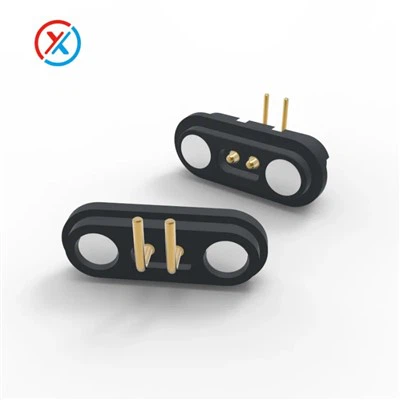
The most typical configuration for a 12V magnetic connector is a 2 - pin design. This simple yet effective configuration consists of a positive (+) and a negative (-) pin, which are used to transmit the 12V DC power. The positive pin carries the 12V voltage, while the negative pin serves as the return path for the electrical current.
A 2 - pin 12V Magnetic Power Connector is sufficient for most applications that only require power transfer. For example, it can be used to power LED lights, small motors, and various types of sensors. The simplicity of the 2 - pin design makes it cost - effective and easy to integrate into different devices.
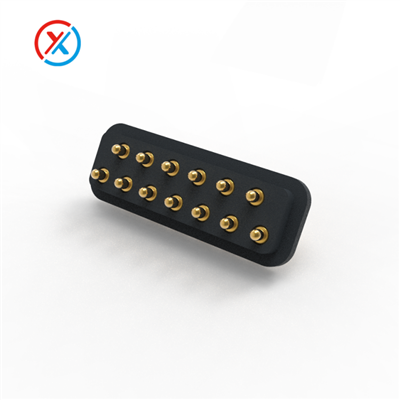
However, there are also situations where more pins are required. In some complex electronic systems, additional pins may be used for functions such as data transfer, signal transmission, or grounding. For instance, in a device that needs to communicate with other components while being powered, a multi - pin magnetic connector may be used. These connectors can have 3, 4, or even more pins depending on the specific requirements of the system.
2 - Pin Connectors in Detail
Let's take a closer look at the 2 - pin 2 Pin Pogo Pin Charger and 2 Pogo Pin Charger, which are common types of 2 - pin 12V magnetic connectors. Pogo pins are spring - loaded electrical contacts that provide a reliable and stable connection. They are often used in magnetic connectors because they can compensate for small misalignments and ensure good electrical conductivity.
The spring - loaded feature of the pogo pins in a 2 - pin charger allows for a flexible connection. When the plug and the socket are brought together, the magnetic force aligns them, and the pogo pins make contact, enabling the transfer of 12V power. These Spring Loaded Electrical Connectors are also known for their durability, as the spring action helps to reduce the stress on the pins during connection and disconnection.
Case Studies
To illustrate the practical use of 12V magnetic connectors, let's consider a few case studies. One of the common applications is in the field of automotive lighting. Many aftermarket LED light bars use 12V magnetic connectors for easy installation and removal. The 2 - pin design allows for a straightforward power connection, and the magnetic feature ensures that the connection remains secure, even in a vibrating environment.
In the electronics industry, 12V magnetic connectors are used in battery chargers for small devices. For example, a drone charger may use a 12V magnetic connector to provide power to the drone's battery. The magnetic connection simplifies the charging process, and the 2 - pin configuration is sufficient to deliver the required power.
Choosing the Right Pin Count
When selecting a 12V magnetic connector, the number of pins is a critical factor. If your application only requires power transfer, a 2 - pin connector is likely the best choice. It is cost - effective, easy to use, and widely available. However, if your device needs to perform additional functions such as data transfer or signal transmission, you may need to opt for a multi - pin connector.
Other factors to consider include the current rating of the connector, the environmental conditions in which it will be used, and the mechanical strength of the magnetic connection. For high - power applications, a connector with a higher current rating is necessary to prevent overheating and ensure safe operation.
Conclusion
In conclusion, a typical 12V magnetic connector most commonly has 2 pins, which are used for power transmission. The 2 - pin design is simple, cost - effective, and suitable for a wide range of applications. However, for more complex systems that require additional functions, multi - pin connectors may be used.
As a supplier of 12V magnetic connectors, I understand the importance of providing reliable and high - quality products. Our extensive range of 12V Magnetic Connector is designed to meet the diverse needs of different industries. Whether you need a basic 2 - pin connector for a simple power transfer or a custom - designed multi - pin connector for a complex application, we have the expertise and resources to assist you.
If you are interested in our products and would like to place an order or discuss your specific requirements, please do not hesitate to contact us. We are committed to providing you with the best solutions and excellent customer service. Let's work together to find the perfect 12V magnetic connector for your project.
References
- Smith, J., "Magnetic Connectors: Principles and Applications", Electronic Components Journal, 2018.
- Brown, A., "Advancements in 12V Power Connectors", Industrial Electronics Review, 2020.
- Wilson, R., "The Future of Magnetic Connector Technology", Tech Trends Magazine, 2021.