


A high-temperature connector is not defined by the housing material alone. Its actual performance depends on the combined characteristics of the insulating material, contact metal, plating, sealing components, spring elements, and mechanical structure. For this reason, temperature rating should always be evaluated against the complete connector assembly and its operating conditions.
High Insulation Performance at Elevated Temperatures
Insulation stability is one of the most important requirements for a connector operating under high temperature. As temperature increases, some conventional plastics can soften, deform, or experience changes in dielectric properties, which may increase the risk of leakage current or electrical breakdown.
High-temperature connectors therefore use insulating materials selected for thermal stability and electrical insulation. Depending on the material system, dielectric constant, dielectric strength, volume resistivity, and temperature rating can vary considerably.
Materials used for demanding applications may maintain relatively stable electrical characteristics under thermal stress. The actual dielectric strength is material-specific rather than a universal specification for all high-temperature connectors, so the connector should be evaluated according to the manufacturer's tested electrical and thermal data.
Thermal Stability Above 200°C
Temperature resistance is determined by the weakest component in the connector assembly. Even when the metal contacts can withstand very high temperatures, the connector may still fail if the plastic housing, seal, spring or plating system cannot maintain its required properties.
For applications operating above 200°C, materials with high thermal stability are generally selected for the insulating body and structural components. Certain high-performance engineering materials can retain substantial mechanical strength at elevated temperatures, with some material grades maintaining strength above 80 MPa under specified test conditions.
The spring and contact system also require careful consideration. Continuous exposure to elevated temperatures can change spring force, accelerate stress relaxation, increase oxidation and affect contact resistance. Therefore, a connector designed for high-temperature operation needs to be evaluated under the actual combination of temperature, mechanical load and electrical current rather than temperature alone.
High-Purity Materials for Demanding Applications
Material purity can become important in applications where contamination, outgassing or chemical stability must be tightly controlled.
High-purity insulating and structural materials can reduce unwanted impurities and improve consistency under demanding thermal conditions. This can be particularly relevant to semiconductor equipment, laboratory instruments, vacuum systems and specialized industrial machinery.
For precision components, material selection should also consider machining characteristics, dimensional stability and compatibility with the connector's assembly process. A material that performs well thermally may still require a different machining method or tolerance strategy to achieve the required final geometry.
Radiation Resistance for Specialized Equipment
Some high-temperature connectors are also required to operate in environments exposed to radiation. In such applications, the connector materials must resist degradation of their mechanical and electrical properties over the expected service period.
Radiation resistance is highly dependent on the selected polymer, ceramic, insulation system and contact materials. A connector intended for nuclear instrumentation, aerospace systems or specialized industrial equipment therefore requires material selection based on the specific radiation type and accumulated exposure.
High-temperature and radiation resistance are related but should not be treated as interchangeable properties. A material capable of operating at high temperature is not automatically suitable for high-radiation environments.
Low Moisture Absorption and Stable Insulation
Moisture can affect insulation resistance, dielectric behavior and long-term reliability. This becomes particularly important when equipment experiences repeated temperature changes.
Low-moisture-absorption insulating materials help reduce the amount of water absorbed by the connector body. This can improve electrical stability and reduce dimensional changes caused by humidity.
For equipment exposed to both high temperature and humidity, the connector design should consider thermal cycling rather than evaluating temperature and moisture independently. Repeated heating and cooling can create expansion and contraction between different materials, potentially affecting seals, contact pressure and dimensional alignment.
Corrosion Resistance and Chemical Compatibility
High-temperature operating environments are often accompanied by aggressive chemicals, cleaning agents, oils, solvents or corrosive gases. Under these conditions, contact materials and surface treatments become critical.
Contact components may use corrosion-resistant base materials and protective plating systems to maintain electrical performance. Nickel, gold and other surface treatments may be selected according to the required conductivity, wear resistance and environmental conditions.
The connector housing and sealing materials must also be compatible with the chemicals present in the application. A material that performs well at high temperature may not necessarily withstand a particular solvent or cleaning agent.
For equipment that undergoes frequent cleaning, chemical compatibility should be evaluated together with temperature and pressure conditions.
Sealing Performance in Harsh Environments
When a high-temperature connector is installed in an environment containing water, dust, oil or corrosive substances, sealing becomes another important design consideration.
A properly designed sealing structure can reduce the possibility of contaminants reaching the electrical contact area. However, the achievable protection level depends on the complete connector assembly, including the housing, mating interface, gasket or seal and cable entry.
High-temperature sealing is especially challenging because elastomeric materials can harden, soften or lose elasticity when exposed to prolonged heat. Selecting the sealing material according to the actual temperature range and chemical environment is therefore essential.
Low Friction and Self-Lubricating Characteristics
Some high-temperature connector structures contain moving components, such as sliding contacts, spring-loaded elements or mechanical guide structures. Excessive friction can accelerate wear and increase the force required during operation.
Self-lubricating engineering materials can reduce friction without relying entirely on conventional liquid lubricants that may evaporate, degrade or contaminate the surrounding environment at elevated temperatures.
This characteristic can be useful in connectors and precision mechanical components that operate repeatedly under thermal stress. The material and surface finish still need to be selected according to the required load, movement frequency and temperature.
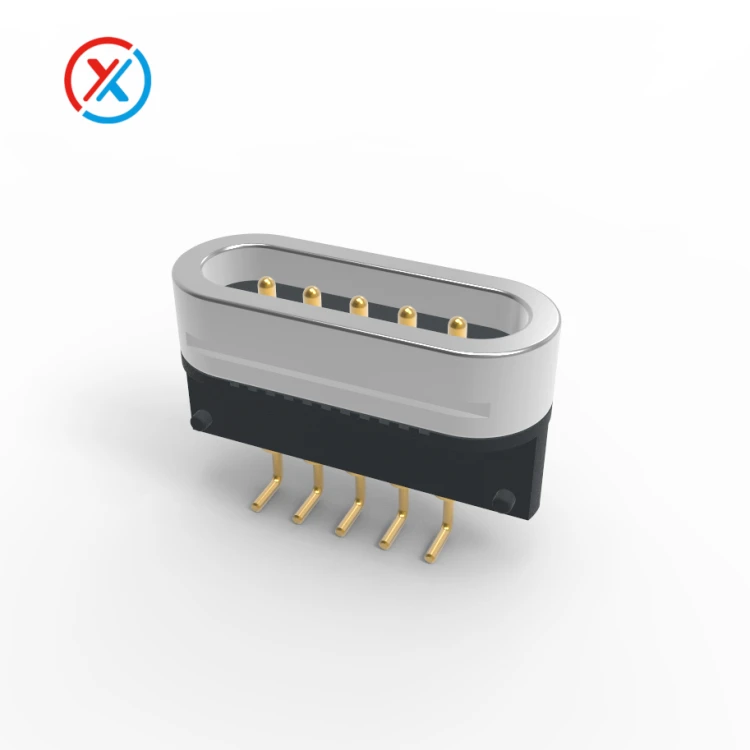
Precision Machining Is Important to Connector Reliability
The performance of a high-temperature connector is closely related to dimensional accuracy. Small deviations in contact position, housing dimensions, spring alignment or mating geometry can change contact pressure and affect electrical continuity.
This is particularly important for non-standard connectors and equipment-specific interfaces. When a standard connector cannot meet the available installation space or mechanical requirements, the surrounding precision components can be developed according to the customer's drawings.
For projects requiring dedicated mechanical parts, drawing-based manufacturing can cover individual components and small-batch non-standard parts, with material, dimensional tolerance, surface treatment and inspection requirements defined according to the application. The same precision machining approach can be applied to specialized parts used in packaging machinery, where shafts, guide components, sleeves, mounting parts and other machine-specific components often need to match an existing assembly accurately.
Selecting a High-Temperature Connector
Choosing a high-temperature connector requires more than checking the maximum temperature shown on a product specification sheet.
The following factors should be evaluated together:
Continuous and peak operating temperature
Temperature cycling requirements
Rated voltage and current
Contact resistance
Insulation resistance and dielectric strength
Contact material and plating
Housing material and thermal stability
Spring material and force retention
Moisture and chemical exposure
Required sealing or IP protection
Mechanical vibration and shock
Expected mating cycles
Dimensional tolerances and installation space
For equipment operating continuously at elevated temperatures, testing under the actual working conditions is particularly important. A connector that performs normally during a short-term high-temperature test may have different results after prolonged thermal aging.
Frequently Asked Questions
What temperature can a high-temperature connector withstand?
There is no single temperature limit for all high-temperature connectors. The usable temperature range depends on the housing material, contact metals, plating, spring, seal and assembly structure. Some specialized connector systems are designed for temperatures above 200°C, while others are intended for lower-temperature industrial applications.
Why can a connector rated for high temperature still fail?
The temperature rating of one component does not represent the performance of the complete connector. Prolonged heat can cause plastic deformation, spring-force loss, plating degradation, seal aging or increased contact resistance. Continuous temperature, thermal cycling, electrical load and mechanical stress should therefore be evaluated together.
What materials are commonly considered for high-temperature connectors?
Depending on the application, high-temperature connectors may use heat-resistant engineering plastics, ceramics, corrosion-resistant metals and specialized spring or contact alloys. The appropriate material depends on the required temperature, electrical performance, chemical exposure, mechanical load and manufacturing process.
Can high-temperature connector components be manufactured according to customer drawings?
Yes. When standard connector dimensions do not match the equipment structure, non-standard components can be manufactured from customer-provided drawings. The design can be translated into precision-machined parts with specified materials, dimensions, tolerances and surface treatments, including individual or small-batch production for specialized equipment and packaging machinery.


