


It is not one universally defined connector test. The procedure, electrical arrangement, exposure conditions, and acceptance criteria must be identified before a result can be interpreted.
For pogo pins and magnetic connectors, the distinction matters because different tests investigate different failure mechanisms. Corrosion of a contact, leakage between adjacent pins, and loss of coating adhesion are separate problems, even when moisture and electrical bias contribute to more than one.
An electrolyte provides a path for ionic conduction. When exposed metals and an electrical potential are present, electrochemical reactions can occur at their surfaces. Depending on the conditions, these reactions may dissolve metal, alter the surface, or contribute to deposits elsewhere.
The result depends on the metal, coating, solution chemistry, temperature, electrical potential, and exposure time. A procedure using one electrolyte and voltage cannot automatically be compared with another using different conditions.
Corrosion can also occur without an externally applied voltage. A test that applies electrical bias therefore creates a particular electrochemical condition rather than representing every form of environmental corrosion.
In a pogo pin assembly, evaluation may focus on the exposed mating surface, coating defects, contact edges, or internal areas accessible to moisture. In a magnetic connector, magnets, mounting parts, and other exposed metals may also affect the assembly's response.
The purpose should be stated clearly:
| Evaluation | Main question | Possible evidence |
|---|---|---|
| Electrochemical corrosion assessment | Does the defined exposure damage the metal or coating? | Pitting, material loss, coating deterioration, or electrical changes |
| Electrochemical migration assessment | Can moisture, contamination, and bias create an unwanted conductive path? | Increased leakage, reduced insulation resistance, or conductive growth |
| Coating-focused electrochemical evaluation | How does the specified coating behave under the selected procedure? | Results defined by that particular method |
| Conventional salt spray | How does the assembly respond to controlled salt-fog exposure? | Corrosion and post-exposure performance against agreed criteria |
| Continuity or contact-resistance measurement | Does the intended electrical path conduct acceptably? | Continuity or resistance under specified measurement conditions |
Electrochemical migration deserves particular attention in closely spaced interfaces. Under suitable moisture, contamination, and bias conditions, metal dissolution, transport, and redeposition can contribute to conductive growth between electrically separated areas.
This can increase leakage or eventually produce a short circuit. The problem concerns insulation between contacts, not simply resistance along the intended conductive path.
A connector may therefore have acceptable contact resistance while developing an unacceptable leakage path between adjacent pins. Both characteristics may need evaluation.
Leakage observed during wet exposure does not, by itself, prove that a permanent metallic bridge has formed. The electrolyte can also conduct. Inspection, electrical measurements, and the specified recovery conditions help distinguish the observed behaviour.
A short caused by a loose metal particle is another failure mechanism. It should not automatically be reported as electrochemical migration without supporting evidence.
For coating evaluation, a reported "electrolysis pass" needs a defined meaning. It should not be interpreted as proof of coating thickness, adhesion, corrosion resistance, and service life simultaneously unless the procedure specifically evaluates those properties.
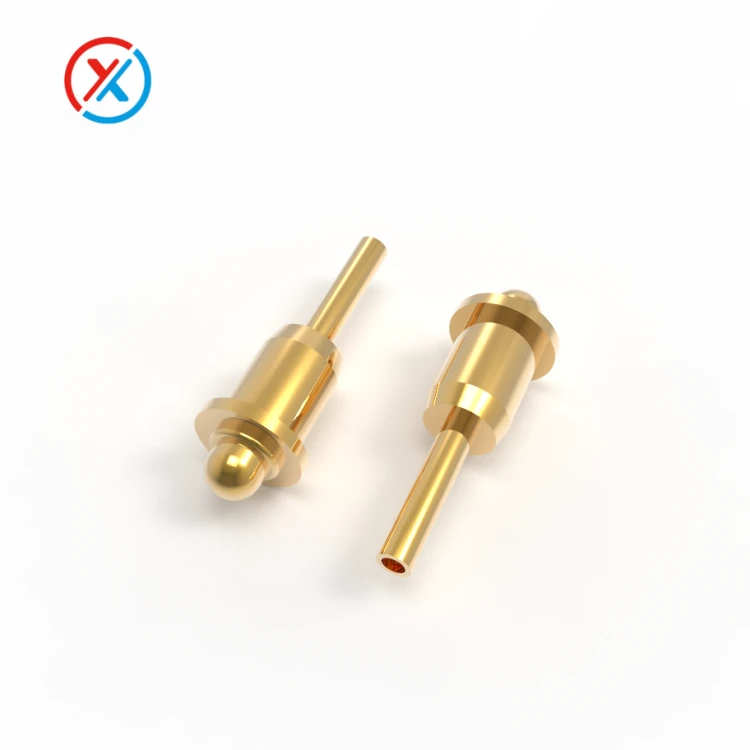
Gold plating does not remove the need for this distinction. Coating coverage, pores, scratches, exposed underlayers, mating wear, and contamination can influence the assembly's behaviour. The complete finish system must be assessed under the selected conditions.
Test geometry also affects the result. Bias applied between adjacent contacts investigates a different arrangement from bias applied between a component and a separate electrode in a solution. The exposed areas and current paths are different.
For this reason, a useful test specification should identify:
The objective: corrosion, migration, coating behaviour, or another defined property.
The sample configuration: part revision, materials, finishes, mating components, and any preconditioning.
The exposure: electrolyte composition, concentration, pH where relevant, temperature, and application method.
The electrical arrangement: applied voltage, polarity, connected electrodes, and current limitation where applicable.
The duration: continuous exposure, repeated cycles, or another specified profile.
The evaluation: visual inspection, contact resistance, leakage, insulation resistance, or mechanical function.
The post-test procedure: rinsing, drying, recovery, and any permitted cleaning.
The sample's condition should reflect the purpose of the evaluation. New contacts may behave differently from contacts that have undergone repeated mating. Likewise, a mated connector may expose different surfaces from a disconnected assembly.
Where wear is relevant, it may be appropriate to evaluate the interface after defined mechanical preconditioning. The sequence should be agreed in advance so that results remain comparable.
Visual observations need measurable acceptance criteria. A colour change alone does not quantify material loss or establish electrical failure. Conversely, an apparently clean contact does not prove acceptable insulation between neighbouring pins.
Post-exposure contact-resistance measurements should use defined measurement points and working compression. Leakage and insulation measurements need their own electrical conditions. Comparing results without controlling these details can produce misleading conclusions.
Mechanical function may also require checking. Deposits or corrosion products can interfere with plunger movement, while damage to surrounding components can affect alignment or retention.
Electrolysis-related testing does not establish waterproofing. An electrical exposure assessment and an ingress-protection assessment investigate different characteristics. Neither should be used as a substitute for the other.
The results also should not be converted directly into a service-life claim. A defined accelerated exposure can support comparison or qualification, but actual use may involve different combinations of moisture, contamination, voltage, wear, and drying.
XINTENG supports drawing-based customization of pogo pin contacts, magnetic connector housings, insulating carriers, mating components, and cable assemblies. A defined test requirement can guide decisions about contact spacing, exposed metal areas, plating, sealing, and cleaning access.
For custom development, the application conditions and test procedure should be reviewed together. Prototype evaluation can then establish how the proposed interface behaves, with the approved results linked to its drawings, materials, finishes, and assembly configuration.
1. Is electrolysis testing the same as salt spray testing?
No. Conventional salt spray evaluates exposure to controlled salt fog. A test described as electrolysis testing may apply an electrical potential in an electrolyte or investigate a different electrochemical mechanism. The actual procedures must be compared.
2. Does gold plating prevent electrochemical failure?
Not automatically. Coating defects, wear, exposed materials, contamination, and the electrical conditions can affect performance. The complete contact system needs evaluation under a defined procedure.
3. Is there a standard voltage or duration for every connector?
No universal voltage or duration applies to every procedure called "electrolysis testing." Conditions must follow the selected method and evaluation objective. Results without those conditions provide limited technical information.
4. What should a customer provide when requesting this test?
Provide the test procedure or reference method, exposure conditions, electrical arrangement, duration, sample configuration, and acceptance criteria. If a procedure has not been selected, define the operating environment and suspected failure mechanism first.


